
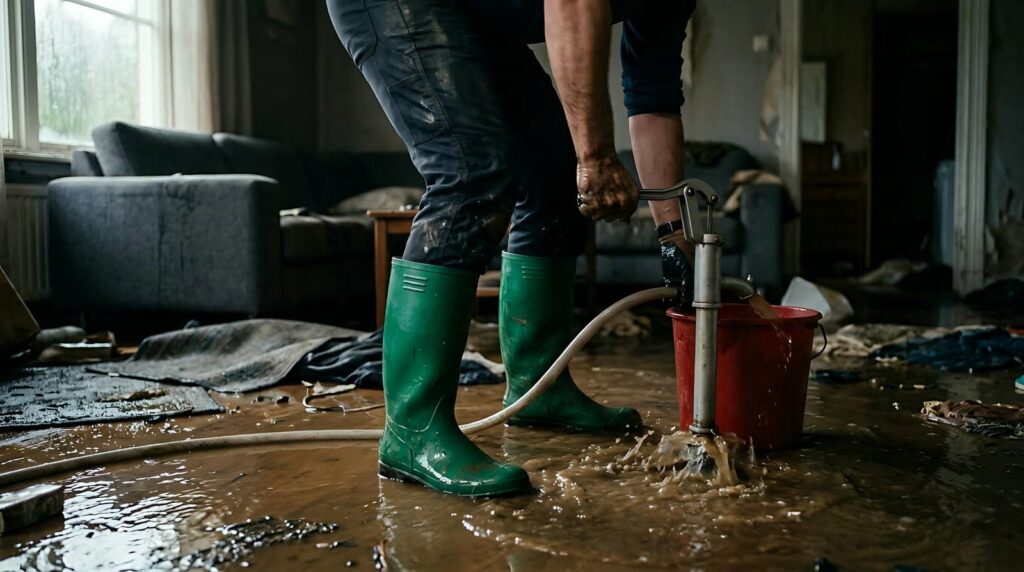
When you encounter emergency water damage, the right equipment rental can make all the difference. Powerful water extractors, high-capacity dehumidifiers, and portable air movers are essential tools for effective recovery. Understanding how these machines work and what features to evaluate can streamline your efforts. But before you rush to rent, there are key factors to assess that could impact your choice. Let’s explore what you need to know to tackle the situation efficiently.
Key Takeaways
Powerful Water Extraction Machines: Look for rentals with strong suction capabilities to quickly remove standing water and prevent mold growth.
Reliable Air Movers and Dehumidifiers: Choose brands like B-Air, XPOWER, and Dri-Eaz for efficient drying and moisture control during recovery.
Moisture Assessment Tools: Rent moisture meters and thermal imaging cameras to identify hidden moisture issues effectively and ensure comprehensive damage assessment.
Mobility and Durability: Select equipment designed for easy maneuverability and robust construction to handle demanding conditions during the recovery process.
Consult Rental Experts: Seek advice from rental staff for proper equipment usage and maintenance tips to maximize efficiency and results.
Understanding Water Damage Equipment Basics
When you face water damage, understanding the equipment involved can make a big difference in the recovery process. Familiarizing yourself with water extraction methods is essential. These methods include vacuum pumps and portable extractors that efficiently remove standing water and minimize damage.
Moisture assessment tools, like moisture meters and thermal imaging cameras, help you identify hidden issues, ensuring no damp spots are overlooked. By knowing how these tools work, you can confidently tackle the situation.
Renting the right equipment not only speeds up recovery but also saves you from extensive repairs later. When you’re equipped with the right knowledge and tools, you’ll feel more in control and connected to the recovery journey, making the process less intimidating.
Essential Features for Effective Water Extraction Machines
When you’re choosing a water extraction machine, it’s essential to focus on a few key features.
You want powerful suction capability to tackle the toughest jobs, durable construction materials for longevity, and easy mobility features for efficient maneuvering.
These aspects will make a significant difference in your water damage restoration efforts.
Powerful Suction Capability
When you’re facing a flooded space, the suction strength of your equipment directly impacts extraction efficiency. A machine with high suction power quickly removes standing water, preventing further damage and mold growth.
You’ll appreciate how these machines handle large volumes of water, saving you time and effort. Plus, their ability to reach tight corners and difficult spots guarantees you won’t miss any hidden moisture.
Investing in a machine with robust suction means you’re not just getting the job done; you’re doing it right.
With the right equipment, you’ll feel confident tackling any water damage situation that comes your way.
Durable Construction Materials
High-quality water extraction machines not only feature powerful suction but also rely on durable construction materials to withstand demanding conditions. When you’re tackling water damage, you want equipment that lasts.
Here are four essential features to look for:
- Reinforced Housings: Protect against impacts and wear.
- Corrosion-Resistant Components: Guarantee longevity in wet environments.
- High-Quality Seals: Prevent leaks and maintain performance.
- Robust Wheels: Provide stability and durability during transport.
These durable materials and effective construction methods not only enhance the machine’s lifespan but also ensure it can handle tough jobs without faltering.
Investing in machines built to last means you’ll be better prepared when disaster strikes, guaranteeing peace of mind for you and your clients.
Easy Mobility Features
Look for models with a portable design; these often come with wheels or lightweight frames that make transport effortless. Additionally, user-friendly controls are a must. When you’re in a crisis, you won’t have time to fumble with complicated settings. Simple interfaces help you get started quickly, ensuring you can focus on the task at hand.
Investing in equipment with these mobility features not only enhances efficiency but also fosters a sense of community, helping you and your neighbors recover faster from water damage.
Renting vs. Buying Water Damage Equipment: What to Consider
When faced with water damage, you often find yourself weighing the pros and cons of renting versus buying equipment. Here are a few key factors to assess:
Cost Comparison: Renting can be cheaper for short-term needs, while buying might save money in the long run if you’ll need the equipment frequently.
Rental Duration: Think about how long you’ll need the equipment. Short-term rentals can help avoid storage and maintenance costs.
Maintenance Responsibilities: Owning equipment means you’re responsible for upkeep, while rentals often come serviced and ready to go.
Flexibility: Renting allows you to choose the latest models without the commitment of ownership.
Evaluate these points to make a decision that fits your situation best.
Top Brands for Air Movers and Dehumidifiers
Choosing the right air movers and dehumidifiers can make a significant difference in effectively managing water damage. When you’re looking to rent, consider top brands that offer reliable performance and advanced dehumidifier technology. Here’s a quick comparison to help you decide:
| Air Mover Brands | Dehumidifiers |
|---|---|
| B-Air | Dri-Eaz |
| XPOWER | Phoenix |
| LGR | BlueDri |
Each of these brands is known for durability and efficiency, ensuring you tackle water damage effectively. By choosing the right equipment, you’re not just renting tools; you’re investing in peace of mind during a challenging time. Stay equipped and empowered in your restoration efforts!
How to Choose the Right Water Damage Equipment for Your Needs
With the right air movers and dehumidifiers at your disposal, figuring out what equipment suits your specific needs can greatly enhance your water damage restoration efforts.
Start by conducting a moisture assessment to identify the extent of the damage. This helps you determine the type and size of equipment required.
Here are four key factors to evaluate:
Room Size: Larger areas may need multiple air movers.
Moisture Levels: Higher moisture requires more powerful dehumidifiers.
Restoration Timeline: Quick drying minimizes damage and costs.
Type of Materials: Different materials may require specific drying techniques.
Tips for Using Rental Equipment Effectively
Maximizing the effectiveness of rental equipment for water damage restoration hinges on a few key practices.
First, carefully plan your rental duration; the longer you have the equipment, the more efficiently you can tackle the problem.
Make certain to understand how each tool works before diving in—this saves time and enhances results.
Regular equipment maintenance is vital; inspect everything before use and return it in good condition.
Don’t hesitate to ask the rental staff for tips or training; they’re there to help.
Finally, keep communication open with your team to guarantee everyone’s on the same page.
Frequently Asked Questions
How Quickly Can I Receive Rented Equipment After Ordering?
You can usually receive rented equipment within 24 to 48 hours, depending on rental timeframes and equipment availability. Quick response times help you tackle emergencies effectively and feel supported during challenging situations.
What Are the Rental Costs for Water Damage Equipment?
Rental costs for water damage equipment can feel like a storm cloud overhead, but typically range from $50 to $300 per day. Check your insurance coverage for potential reimbursement options during the rental duration.
Is Delivery Available for Rented Water Damage Equipment?
Yes, many rental companies offer delivery options for water damage equipment. Be sure to check their rental policies, as delivery fees and terms can vary, ensuring you get the right support when you need it.
Are There Any Rental Agreements or Contracts Required?
Yes, you’ll need to sign a rental agreement outlining the rental terms and contract length. This helps guarantee you understand your responsibilities and the equipment’s proper use while fostering a sense of belonging in the process.
What Happens if Rented Equipment Is Damaged During Use?
If you damage rented equipment, you’re typically responsible for the repair or replacement costs. Having equipment insurance can help cover these expenses, so check your policy to confirm you’re protected in case of accidents.
To Sum Up
In the aftermath of water damage, having the right equipment is like wielding a shield against the chaos. By renting powerful extractors, dehumidifiers, and air movers, you’re not just battling moisture—you’re reclaiming your space. Think of these tools as your allies, transforming a flooded scene into a dry haven. With the right choices and effective use, you’ll not only recover faster but also prevent future storms from leaving their mark. Immerse yourself and conquer the flood!