
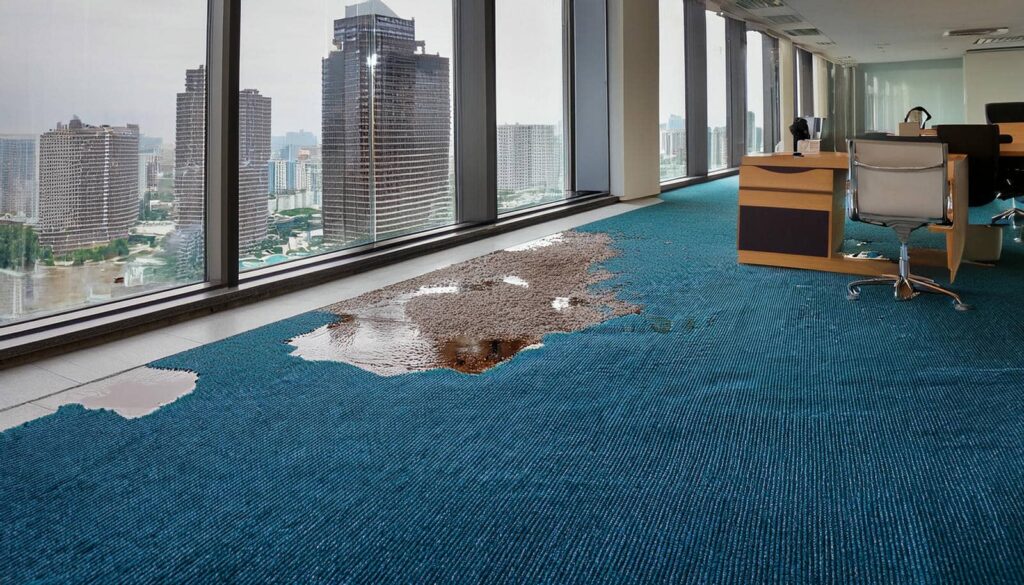
When water damage strikes your business, swift water damage cleanup action is vital. Start by evaluating the extent of the damage while prioritizing safety for your team. You’ll need to implement immediate water removal techniques and ensure thorough drying to prevent mold growth. But that’s just the beginning. The next steps in your cleanup process can greatly impact your recovery efforts and long-term resilience against future incidents. Let’s explore these essential strategies.
Key Takeaways
- Quickly identify and eliminate the water source to prevent further damage and ensure effective remediation.
- Utilize industrial pumps and wet vacuums for immediate water extraction, prioritizing safety and PPE use.
- Implement rapid drying techniques using dehumidifiers and ensure proper airflow to minimize mold growth.
- Document all damage with photos and detailed inventories to support insurance claims and recovery efforts.
- Develop a comprehensive water damage response plan, assigning roles, and conducting regular training drills for preparedness.
Assessing the Extent of Water Damage
How can you accurately assess the extent of water damage in your property? Start with water source identification. Pinpointing where the water entered is essential for effective remediation. Check for leaks in pipes, roofs, and windows.
Once you’ve recognized the source, perform a structural integrity evaluation. This involves examining walls, floors, and ceilings for signs of warping, mold, or deterioration. Use a moisture meter to measure dampness levels, ensuring you’re not missing hidden damage behind walls or under flooring.
Document your findings with photos and notes, as this will aid in discussions with insurance adjusters or restoration specialists.
Prioritizing Safety and Health
When evaluating water damage, prioritizing safety and health is crucial to ensure a safe environment for everyone involved.
Implementing effective safety protocols and adhering to health regulations will protect your team and customers during the cleanup process. Here are key considerations to keep in mind:
- Assess potential hazards like mold, electrical issues, and contaminated water.
- Equip your team with personal protective equipment (PPE) to minimize exposure.
- Ensure proper ventilation to reduce harmful airborne particles and odors.
- Train staff on emergency procedures and first aid responses relevant to water damage scenarios.
Implementing Immediate Water Removal
As soon as you identify water damage, implementing immediate water removal is essential to prevent further deterioration and mitigate health risks.
Start your emergency response by evaluating the extent of the flooding and identifying the source. Utilize pumps and wet vacuums for efficient water extraction, focusing on areas with the highest water accumulation. Make certain you have the right equipment on hand; the sooner you act, the less damage your business will sustain.
Don’t forget to protect electrical systems and appliances by shutting off power in affected areas before starting your extraction. If the water is contaminated, wear appropriate personal protective equipment to safeguard your health.
Collaborate with your team to streamline the process and make certain everyone understands their role during this critical intervention. Effective water removal safeguards your property and fosters a sense of belonging and responsibility among your staff, enhancing your business’s resilience in the face of adversity.
Drying and Dehumidifying Affected Areas
After removing standing water, you need to focus on rapid drying to prevent mold growth and structural damage.
Effective dehumidification techniques, such as using industrial dehumidifiers and adequate airflow, play an essential role in this process.
Importance of Rapid Drying
When water damage occurs, rapid drying is essential to prevent further complications like mold growth and structural damage. By implementing effective drying strategies, you can ensure rapid moisture control, safeguarding both your assets and business continuity.
- Protect your inventory from water-related losses.
- Minimize downtime and maintain operational efficiency.
- Reduce the risk of health hazards associated with mold.
- Preserve the integrity of your building’s structure.
Acting quickly to dry affected areas mitigates damage and fosters a sense of responsibility among your team.
Effective Dehumidification Techniques
To effectively manage water damage, utilizing advanced dehumidification techniques is crucial for drying and restoring affected areas.
Start with accurate moisture measurement; use hygrometers to identify damp spots and assess humidity levels. This data helps in making informed decisions regarding dehumidifier selection. Choose a dehumidifier that matches your specific needs, considering factors like room size, airflow, and moisture removal capacity.
Once deployed, run the dehumidifier consistently to maintain ideal drying conditions. Assure proper airflow by moving furniture and opening windows when possible.
Monitor the environment regularly, adjusting your strategy based on real-time moisture readings. By implementing these techniques, you’ll facilitate efficient drying, minimize damage, and enhance recovery in your business environment.
Cleaning and Sanitizing Surfaces
Since contaminated surfaces can harbor bacteria and mold after water damage, it’s crucial to clean and sanitize them promptly.
Implementing effective cleaning protocols is essential for ensuring a safe environment for everyone in your business. Here’s how you can achieve thorough surface sanitization:
- Use EPA-approved disinfectants to eliminate pathogens.
- Follow the manufacturer’s instructions for the contact time to ensure effectiveness.
- Employ proper protective equipment, like gloves and masks, during the cleaning process.
- Regularly train your staff on updated cleaning protocols to maintain consistency.
Addressing Mold Prevention
Cleaning and sanitizing surfaces is just the beginning when it comes to mitigating the risks associated with water damage. To effectively prevent mold growth, you must focus on mold remediation and humidity control.
Start by monitoring indoor humidity levels; ideally, keep them below 60%. Use dehumidifiers in areas prone to excess moisture, such as basements or restrooms.
Ensure proper ventilation, especially in spaces where water usage is high, like kitchens and laundry rooms. Additionally, inspect your plumbing regularly for leaks, as they can create hidden moisture conducive to mold.
If you experience significant water damage, act quickly—engage professional mold remediation services to assess and treat affected areas.
Repairing and Restoring Damaged Materials
To effectively repair and restore materials damaged by water, you’ll first need to assess the extent of the damage.
Employ targeted drying techniques to remove moisture, as this is essential for preventing further deterioration.
Finally, consider your options carefully—whether to repair or replace the affected materials can greatly impact the overall outcome.
Assessing Material Damage
Evaluating material damage is essential for effective water damage cleanup, as it directly impacts the restoration process. By conducting a thorough material assessment and damage evaluation, you can determine which materials are salvageable and which need replacement.
- Identify affected areas quickly.
- Classify materials (e.g., drywall, flooring, furniture).
- Document the extent of damage.
- Consult restoration experts for guidance.
Each step aids in making informed decisions, ensuring you prioritize your resources effectively.
Drying Techniques and Methods
While addressing water damage, implementing effective drying techniques and methods is essential for repairing and restoring affected materials.
Start by establishing ideal airflow management to enhance drying efficiency. Use fans and dehumidifiers strategically to create a controlled environment that promotes even moisture control throughout the space. Ensure that air circulates freely around wet materials, preventing mold and further damage.
Monitor humidity levels regularly to adjust your strategy as needed. For porous materials, consider using specialized drying equipment to reach deeper layers.
By focusing on these techniques, you’ll expedite the drying process, allowing your business to recover swiftly while minimizing long-term impacts.
Replacement or Repair Options
Determining whether to repair or replace damaged materials is essential for restoring your space effectively.
You’ll want to assess each situation carefully, weighing the benefits of repair techniques against the potential need for replacement options.
Consider these key factors:
- Extent of Damage: Is it superficial or structural?
- Material Type: Can it withstand repairs, or is replacement necessary?
- Cost Efficiency: Which option offers long-term savings?
- Time Constraints: How quickly do you need the space operational?
Documenting Damage for Insurance Claims
To ensure your insurance claim for water damage is successful, it’s vital to meticulously document the extent of the damage as soon as it’s safe to do so.
Start by taking clear, high-resolution photographs of affected areas, including walls, floors, and any damaged equipment. Make sure you capture wide-angle shots for context and close-ups for details.
Alongside visuals, create a detailed inventory of damaged items, noting their condition and value. This damage documentation is significant for streamlining insurance procedures.
Don’t forget to keep receipts for any emergency repairs or cleanup efforts you undertake immediately after the incident.
Maintain a timeline of events, including when the damage occurred and when you reported it to your insurance company.
This thorough approach strengthens your claim and fosters a sense of community with fellow business owners who understand the importance of preparedness in the face of adversity.
Creating a Water Damage Response Plan
Developing a comprehensive water damage response plan is crucial for minimizing losses and ensuring a swift recovery. With proper water damage preparedness, you’ll be ready to act quickly when disaster strikes.
Here are key components to include in your plan:
Identify emergency contacts: List all relevant stakeholders, including management, insurance agents, and restoration services.
Establish roles and responsibilities: Assign specific tasks to team members, making sure everyone knows their role during an emergency.
Create a communication strategy: Outline how you’ll inform employees and clients about the situation and recovery efforts.
Conduct regular drills: Practice your response plan to ensure everyone is familiar and prepared for real-life scenarios.
Frequently Asked Questions
What Are the Signs of Hidden Water Damage?
You’ll notice signs of hidden water damage like peeling paint, musty odors, or warped floors. Use moisture detection tools to identify hidden leaks early, preventing further damage and ensuring a safe, comfortable environment for everyone.
How Can I Prevent Future Water Damage?
To prevent future water damage, you’ll want to fortify your space like a castle. Invest in waterproofing solutions and schedule routine inspections to catch potential issues before they become your kingdom’s downfall. Stay proactive, stay dry!
Should I Hire Professionals or DIY Water Damage Cleanup?
You should consider professional services for a thorough cleanup, especially with extensive damage. While DIY methods may save money initially, they often lack the expertise necessary to ensure complete restoration, which can lead to long-term issues. Prioritize safety and efficiency.
What Types of Insurance Cover Water Damage?
If you think of insurance like a safety net, flood insurance and property coverage are essential. They protect you against water damage, ensuring your business can recover without bearing the full financial burden alone.
How Long Does Water Damage Restoration Typically Take?
Water damage restoration typically takes 3 to 7 days, depending on the restoration timeline and extent of damage assessment. Quick action can greatly reduce the duration, ensuring your space returns to normal faster.
Final Thoughts
In the face of water damage, swift action isn’t just a choice; it’s a necessity. By following these top strategies, you can safeguard your business and ensure a thorough recovery. Remember, every moment counts when it comes to preventing further damage and costly repairs. With a solid response plan in place, you’re not just reacting to crises—you’re proactively protecting your investment. Stay prepared, and let these strategies guide you toward a resilient and efficient recovery process.