
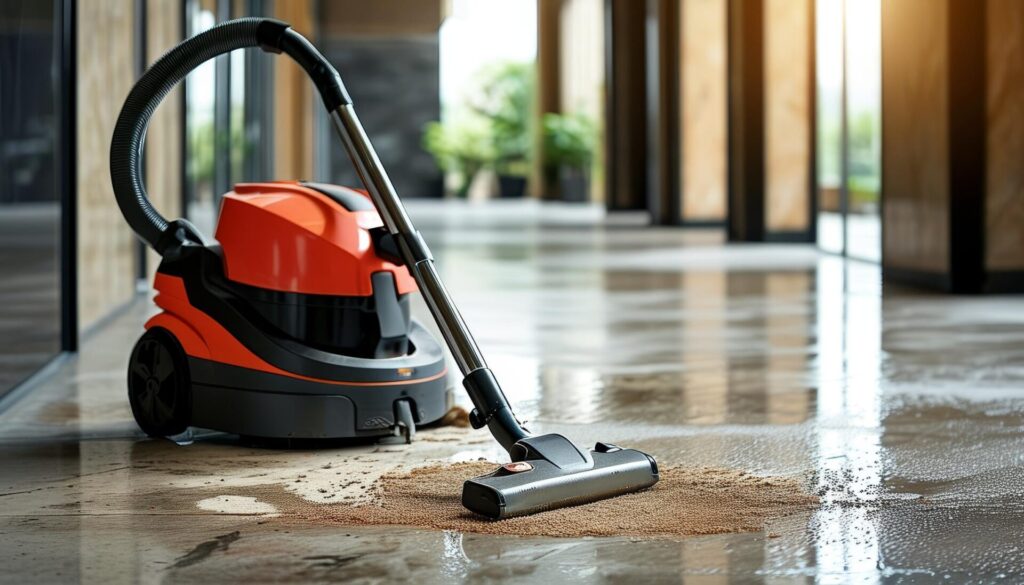
In the face of disaster, like a ship steering through a storm, you must act swiftly when water invades your space. First, evaluating the situation is essential for your safety before proceeding. Do you have the right tools at hand? Knowing how to remove standing water effectively can make all the difference. Understanding the entire process is vital to preventing long-term damage. What steps should you prioritize to ensure a thorough and efficient response?
Key Takeaways
- Perform a quick risk assessment for hazards before starting water removal to ensure safety and avoid evacuation.
- Use a submersible pump for large volumes of water and a wet/dry vacuum for smaller areas.
- Implement fans and dehumidifiers to promote air circulation and reduce humidity during the drying process.
- Open windows to allow fresh air in and help with moisture evaporation.
- Regularly check moisture levels to prevent mold growth and address any leaks promptly.
Assess the Situation and Ensure Safety
When you face a water emergency, the first step is to assess the situation and secure your safety. Start by performing a quick risk assessment of your environment. Check for potential hazards like exposed electrical wires or structural damage. If you notice any threats, prioritize your safety by evacuating the area immediately.
Next, familiarize yourself with established safety protocols. These guidelines are designed to protect you and your loved ones during a crisis. Ascertain that everyone in your household understands these protocols, so you can act swiftly and cohesively.
Keep a clear line of communication open with family members, ensuring everyone knows the emergency plan. This connection fosters a sense of belonging and unity during stressful times.
Gather Essential Tools and Equipment
Gathering essential tools and equipment is crucial for effective water removal. Having the right gear on hand can greatly enhance your water extraction efforts during emergencies. Create your emergency kits with these key items:
| Tool/Equipment | Purpose |
|---|---|
| Wet/Dry Vacuum | Efficiently removes standing water |
| Submersible Pump | Ideal for deeper water extraction |
| Towels or Mops | Helps with final drying touches |
Ensure these tools are easily accessible when you need them most. Familiarize yourself with their operation, as time is of the essence during water emergencies. Additionally, consider including moisture meters and fans in your emergency kits to monitor and expedite the drying process. By being prepared with the right equipment, you’re not just equipped for water removal; you’re also fostering a sense of belonging as you contribute to a safer, more resilient community.
Remove Standing Water Efficiently
Having the right tools at your disposal sets the stage for efficient water removal.
To effectively tackle standing water, you’ll need to employ proper drainage techniques and utilize effective water extraction methods. Here’s a streamlined approach:
Submersible Pump: Perfect for deep water removal, it speeds up the process considerably.
Wet/Dry Vacuum: Ideal for smaller areas and residual water, it helps ensure that no moisture lingers.
Mops and Buckets: Simple yet essential for finishing touches, they help you manage any remaining spills.
Dry Out Affected Areas Thoroughly
To effectively dry out affected areas after water removal, you must act quickly and strategically. Start by implementing various drying techniques to ensure thorough evaporation. Use fans, dehumidifiers, and open windows to promote airflow. Regularly check moisture levels with a moisture measurement tool to monitor progress.
Prevent Mold Growth and Further Damage
As you work to restore your space, it’s important to take proactive measures to prevent mold growth and further damage.
Mold can develop quickly in damp environments, so addressing any water damage immediately is vital.
Here are three effective mold prevention strategies:
Ventilate the Area: Open windows and use fans to promote airflow, helping to dry out wet surfaces more efficiently.
Dehumidify: Utilize a dehumidifier to maintain indoor humidity levels below 60%. This will create an unfavorable environment for mold spores.
Inspect and Seal: Regularly check for leaks and seal any cracks in walls or foundations to minimize moisture intrusion.
Seek Professional Help When Necessary
When you face significant water damage, it’s essential to assess its severity before taking action.
Professional help might be necessary if specialized equipment is required or if health risks, such as mold growth, are present.
Recognizing when to call in experts can save you time, reduce stress, and ensure a thorough recovery.
Assess Damage Severity
While evaluating the severity of water damage, it’s crucial to recognize that not all situations are manageable on your own.
A thorough damage evaluation can help you determine if you need professional assistance.
Use a severity scale to categorize the damage:
Minor Damage: Small puddles, easily cleaned with towels or a wet/dry vacuum.
Moderate Damage: Water saturation in carpets or drywall, requiring extraction and drying.
Severe Damage: Structural damage, mold growth, or extensive water intrusion necessitates expert intervention.
Specialized Equipment Required
Evaluating the damage severity helps determine the next steps, particularly when water intrusion is extensive.
For effective water extraction, specialized equipment is essential. You’ll likely need industrial-grade pumps to remove large volumes of water quickly. Additionally, using high-powered dehumidifiers aids in moisture detection and elimination, ensuring your space dries thoroughly.
Infrared moisture meters can pinpoint hidden dampness, preventing future mold growth. If you’re unsure about handling this equipment, seeking professional help is wise. Trained technicians possess the right tools and have the expertise to assess and mitigate damage effectively.
Health Risks Consideration
Water damage can pose several health risks, and recognizing these dangers is essential for your safety.
When dealing with water removal, be aware of potential health hazards that can arise, particularly from waterborne pathogens.
If you encounter any of the following situations, it’s best to seek professional help:
Standing Water: This can harbor bacteria and mold growth, increasing the risk of infections.
Flooded Areas: Contaminated water can carry harmful chemicals and pathogens that pose serious health risks.
Mold Growth: Prolonged exposure to mold can lead to respiratory issues and other health complications.
Recap
In emergency water removal, swift action is vital to prevent long-term damage. By evaluating the situation, gathering the right tools, and efficiently removing water, you can considerably reduce risks. Are you prepared to tackle potential mold growth and protect your property? Thoroughly drying affected areas and monitoring humidity levels will safeguard your home. Remember, when in doubt, seeking professional help can ensure all-encompassing solutions and peace of mind. Your proactive steps today can save you headaches tomorrow.