
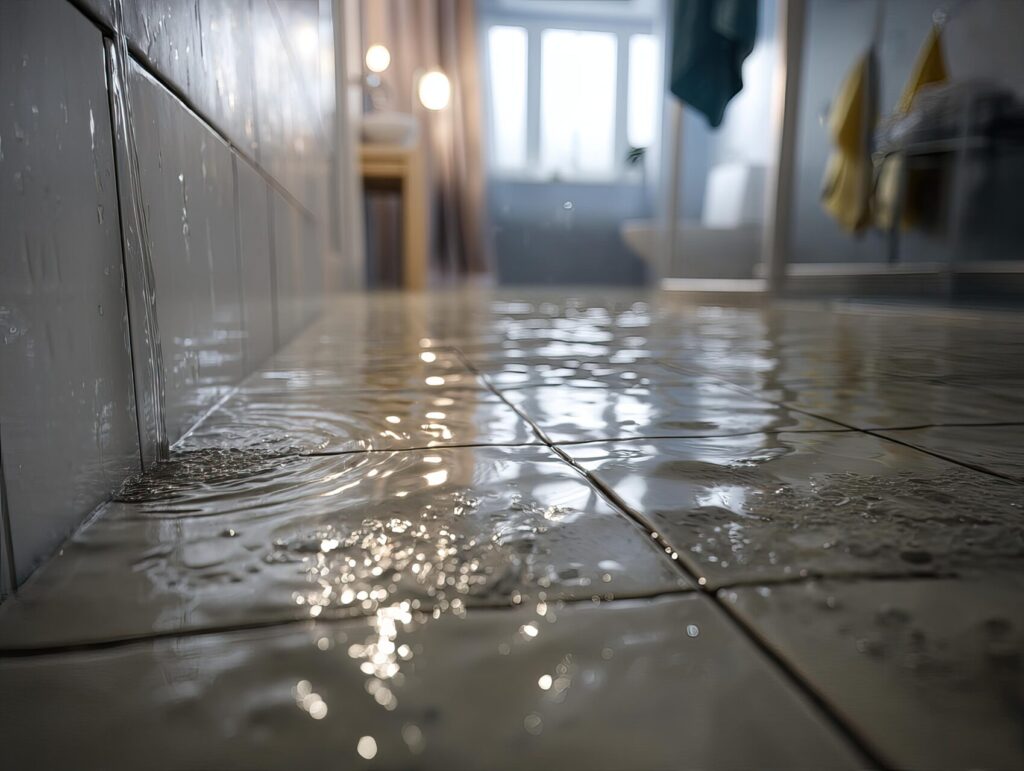
Imagine your home as a fortress, suddenly breached by the relentless tide of floodwaters. In these moments, emergency flood restoration becomes your lifeline, guiding you through the chaos. It’s essential to act swiftly, as every minute counts in preventing further damage. Understanding the steps involved can make all the difference in your recovery process and peace of mind. The journey to restoring your home starts here, and there’s much to uncover about how to navigate this challenging situation.
Key Takeaways
- Emergency flood restoration involves an immediate response to mitigate damage after water intrusion in homes.
- The process includes thorough assessments, water extraction, and drying to prevent mold growth.
- Professional services utilize specialized equipment for efficient water removal and damage restoration.
- Documentation of damage is crucial for insurance claims and future prevention strategies.
- Preventative measures, such as maintaining drainage systems, help reduce the risk of future flooding.
Understanding the Causes of Flooding in Homes
When heavy rains or rapid snowmelt occur, it’s easy to overlook how quickly water can infiltrate your home. Understanding the flood sources is essential to protecting your space.
Ground saturation from prolonged rainfall can lead to water accumulation, overwhelming drainage systems. Additionally, poor landscaping or improperly graded yards may direct water toward your foundation, resulting in seepage.
Basements are particularly vulnerable, as they often sit below ground level, making them prime targets for flooding.
Broken gutters or downspouts can exacerbate the issue, allowing water to cascade down walls instead of draining away. Even plumbing failures can introduce unwanted moisture, complicating the situation further.
The Importance of Immediate Response to Flood Damage
When your home faces flood damage, responding quickly is essential for minimizing destruction.
Rapid damage mitigation can save your belongings and prevent long-term issues like mold growth and structural instability.
Rapid Damage Mitigation
Floodwaters can cause significant damage to your home within just hours, making rapid damage mitigation essential. When you experience flooding, every minute counts. A swift response helps minimize water intrusion, preventing structural harm and reducing mold growth.
Start by shutting off utilities and removing valuables, then contact a professional flood mitigation team. They’ll use specialized equipment to extract water and dry affected areas efficiently. This immediate action protects your home and gives you peace of mind during a chaotic time.
Preventing Long-term Issues
Although it might be tempting to delay action after a flood, responding immediately is essential to preventing long-term issues in your home. Water damage can lead to mold growth, structural instability, and the deterioration of your belongings if not addressed quickly.
By implementing flood barriers and ensuring your drainage systems are functioning properly, you can greatly reduce these risks. Acting swiftly allows you to assess the damage, remove excess water, and dry affected areas effectively.
Key Steps in the Emergency Flood Restoration Process
When you’re facing flood damage, the first essential step is a thorough assessment and inspection of your property.
You’ll need to identify the extent of the water intrusion and any potential hazards before proceeding with water removal techniques.
Understanding these steps helps mitigate damage and supports your recovery process emotionally and physically.
Assessment and Inspection
How can you effectively assess the damage after a flood? Begin with a detailed flood assessment to identify affected areas.
Make certain to wear protective gear, as hazards like broken glass or electrical risks may be present. During your damage inspection, look for water stains, structural damage, and mold growth.
Document everything with photos and notes; this’ll help you during the recovery process and when dealing with insurance claims. Pay special attention to hidden areas like basements and crawl spaces, as water can linger unnoticed.
Water Removal Techniques
Act quickly to remove water from your home, as every moment counts in preventing further damage and mold growth.
Start with effective water extraction methods, such as pumps and wet vacuums, to eliminate standing water.
Once the bulk of the water is gone, employ moisture detection techniques to pinpoint hidden damp areas in walls, floors, and ceilings. Infrared cameras or moisture meters can help you accurately assess moisture levels, ensuring no residual water remains.
After identifying damp spots, use dehumidifiers and fans to expedite the drying process.
Professional Services Offered for Flood Restoration
While facing the aftermath of a flood, accessing professional services for restoration can greatly ease your burden. These experts bring invaluable professional expertise in flood restoration, offering a thorough approach to recovery.
Services typically include thorough water extraction, which prevents mold and damage to structural integrity, followed by drying and dehumidification procedures tailored to your home’s needs.
They’ll assess your property for hidden water pockets, ensuring no area is overlooked. Additionally, professional teams can help with debris removal and the restoration of damaged materials, such as drywall and flooring.
With their guidance, you’ll navigate the complex insurance claims process, making it less overwhelming.
Engaging these specialists speeds up recovery and provides peace of mind, knowing your home is in capable hands.
Ultimately, their support fosters a sense of community, assuring you that you’re not alone in this challenging time.
Preventative Measures to Avoid Future Flooding
To effectively prevent future flooding, it’s essential to assess your property’s vulnerabilities and implement targeted measures.
Start by evaluating your drainage systems; make sure they’re clear and functioning correctly. Clogged gutters and downspouts can lead to water pooling around your foundation, so regular maintenance is critical.
Consider installing or upgrading a sump pump in your basement or crawl space. A reliable sump pump can actively remove excess water, greatly reducing the risk of flooding during heavy rains. If you don’t already have one, look for models with battery backups to ensure functionality during power outages.
Additionally, landscaping plays an important role—grade your yard to direct water away from your home.
Planting vegetation that absorbs excess moisture can also help. By taking these proactive steps, you protect your home and foster a sense of security, knowing you’re prepared for nature’s unpredictability.
Insurance Considerations for Flood Damage Restoration
Steering through the complexities of insurance can be intimidating, especially when it comes to flood damage restoration. Understanding your flood insurance policy is essential, as it dictates what you can claim. Familiarize yourself with the claims process, as timely and accurate documentation will support your case.
Here’s a quick overview to help you navigate these waters:
| Aspect | Details |
|---|---|
| Coverage Types | Structure, personal property, and additional living expenses |
| Deductibles | Amount you’ll pay before insurance kicks in |
| Claim Documentation | Photos, receipts, and a detailed inventory of damaged items |
| Timeframe | Typically, claims should be filed within 30 days of the event |
Wrap-Up
In the wake of a flood, swift action is your lifeline, turning chaos into clarity. By understanding the restoration process and enlisting professional help, you reclaim your home from the clutches of water damage. Each step, from extraction to drying, is an essential stitch in the fabric of recovery. Remember, prevention is your shield against future storms. With the right knowledge and support, you can navigate this turbulent journey and restore peace to your sanctuary.