
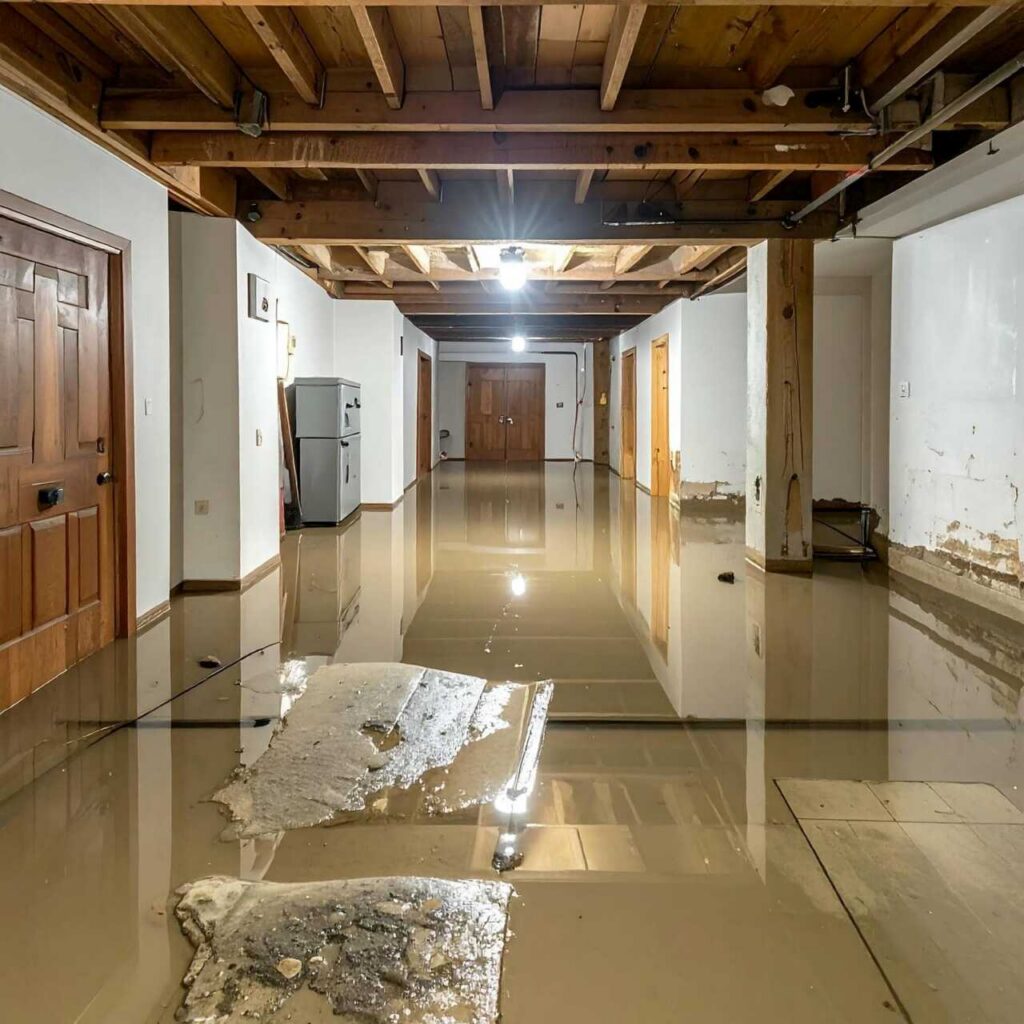
Did you know that nearly 14,000 people experience a water damage emergency daily in the U.S.? Investing in long-term water damage protection isn’t just a precaution; it’s a smart financial strategy. By addressing potential issues before they escalate, you can save yourself from costly repairs and health risks. Understanding the various causes and effective solutions could make a significant difference for your home and peace of mind. What steps can you take to protect your investment?
Key Takeaways
- Investing in long-term water damage protection prevents costly repairs and emotional stress from potential damage to your home and belongings.
- Proactive measures, such as regular inspections and advanced detection systems, mitigate risks and reduce future financial burdens.
- Utilizing flood-resistant materials and effective insulation enhances safety and reduces the likelihood of moisture-related issues.
- Insurance companies may lower premiums for homes with demonstrated preventive measures, resulting in long-term savings.
- A well-planned maintenance schedule fosters community responsibility, ensuring a secure environment for families and neighbors.
The Importance of Long-Term Water Damage Protection
When you consider the potential devastation caused by water damage, you realize that long-term protection isn’t just a luxury; it’s a necessity. Understanding the importance of preventive measures can save you from costly repairs and emotional stress.
Conducting a thorough risk assessment of your property helps you identify vulnerable areas, allowing you to take proactive steps before issues arise. This isn’t just about safeguarding your home; it’s about creating a secure environment for you and your loved ones.
Investing in long-term water damage protection fosters a sense of belonging and stability within your community. By prioritizing these strategies, you not only protect your property but also contribute to a culture of resilience and care among neighbors.
Common Causes of Water Damage and Protection Strategies
While various factors can lead to water damage, understanding these common causes is vital for effective prevention. Leaky roofs, burst pipes, and faulty appliances are typical culprits that can wreak havoc on your home.
If left unchecked, they not only cause structural issues but also pave the way for mold growth, which can affect your health and comfort.
To safeguard your space, regularly inspect plumbing and roofs, and consider installing sump pumps and water alarms. Additionally, make sure you have thorough insurance coverage that includes water damage; this gives you peace of mind.
The Long-Term Costs of Water Damage
Ignoring the signs of water damage can lead to significant long-term costs that extend beyond immediate repairs. You might think a small leak is manageable, but the financial implications can accumulate quickly.
Mold growth, structural damage, and health risks not only threaten your home but also impact your insurance considerations. If you fail to address these issues, your coverage may not fully protect you, leading to out-of-pocket expenses that could be avoided.
Over time, the costs of repairs and potential health-related bills can far exceed the initial investment in prevention. By understanding these long-term costs, you can make informed decisions that safeguard your home—and your financial future—creating a sense of belonging and security for yourself and your family.
How Long-Term Protection Saves Money
Investing in long-term water damage protection not only safeguards your home but also considerably reduces potential financial burdens. By implementing preventive measures, you can considerably lower the risk of costly repairs and mold remediation.
This proactive approach often translates into insurance savings, as insurers recognize your commitment to protecting your property. When you demonstrate that you’ve taken steps to prevent water damage, you may qualify for lower premiums or discounts.
Additionally, avoiding extensive damage means fewer out-of-pocket expenses down the line. Ultimately, investing in long-term protection isn’t just about safeguarding your home; it’s a smart financial strategy that fosters peace of mind and a sense of belonging in a community that values responsible homeownership.
Essential Features of Effective Water Damage Solutions
When considering effective water damage solutions, advanced detection systems and durable waterproof materials are essential.
These features not only help you identify potential issues early but also provide lasting protection against future damage.
Investing in these elements can greatly enhance your property’s resilience and save you from costly repairs down the line.
Advanced Detection Systems
Effective water damage solutions hinge on advanced detection systems that can identify issues before they escalate. Investing in these systems not only protects your property but also fosters a sense of community care.
Here are three essential features to contemplate:
Smart Sensors: These devices continuously monitor humidity and temperature, providing real-time alerts to potential leaks.
Moisture Monitoring: Advanced moisture detection technology guarantees you catch hidden water issues behind walls or under floors.
Automated Alerts: Immediate notifications send you or your service provider to act quickly, minimizing damage and costs.
Durable Waterproof Materials
While water damage can be devastating, using durable waterproof materials greatly reduces the risk and extent of potential issues.
Investing in high-quality waterproof technology guarantees that your home remains protected against leaks and moisture intrusion. These materials aren’t just about immediate defense; they also enhance material longevity, saving you money and stress in the long run.
When you choose products designed for resilience, you’re not just safeguarding your property—you’re also fostering a sense of security and belonging within your community.
By prioritizing durable waterproof options, you demonstrate a commitment to maintaining a safe, welcoming environment for yourself and your loved ones.
Make the smart choice today and invest in solutions that stand the test of time.
DIY vs. Professional Water Damage Protection: What’s Best for You?
How do you decide between DIY and professional water damage protection? Both options have their merits, but weighing them against specific decision factors is essential. Here’s a quick breakdown to help you choose:
Cost Analysis: DIY solutions may initially seem cheaper, but consider potential long-term expenses if issues arise due to improper handling.
Effectiveness Comparison: Professional services often provide advanced techniques and materials that guarantee thorough protection, reducing future risks.
Risk Assessment: Evaluate your skill level and the complexity of the task. Missteps in DIY projects can lead to more significant damage.
Ultimately, whether you choose DIY or professional services depends on your comfort level and the specific needs of your space.
Making an informed choice fosters a sense of community and belonging in safeguarding your home.
Top 5 Effective Strategies to Prevent Water Damage
To protect your home from costly water damage, it’s vital to implement effective strategies.
Regular maintenance checks, proper drainage systems, and waterproofing techniques are key steps you can take.
Regular Maintenance Checks
Inspect Plumbing Systems: Regularly check for leaks or corrosion in pipes and fixtures.
Examine Roof and Gutters: Verify your roof’s in good shape and gutters are clear to prevent water backup.
Test Sump Pumps: Regularly test sump pumps to confirm they’re functioning, especially before heavy rain.
Proper Drainage Systems
Regular maintenance checks lay the groundwork for protecting your property, but implementing a proper drainage system takes your defense against water damage to the next level.
By focusing on effective drainage techniques, you can direct water away from your home, minimizing the risk of flooding and structural damage.
Prioritize system installation that includes gutters, downspouts, and French drains, ensuring they’re strategically placed to manage heavy rainfall.
Regularly inspect these systems for blockages or damage, keeping them in ideal condition.
Investing in a reliable drainage system not only safeguards your property but also enhances its value.
Ultimately, being proactive in drainage management fosters peace of mind, knowing you’re taking essential steps to protect your home and loved ones.
Waterproofing Techniques
Waterproofing your home is essential for long-term protection against water damage, and there are five effective strategies you should consider. Implementing these techniques not only safeguards your property but also enhances your sense of community belonging.
Foundation Sealing: Protects against moisture infiltration.
Drainage Solutions: Directs water away from your home, minimizing risk.
Gutter Systems: Keeps roofs dry and prevents overflow.
Additionally, consider using moisture barriers and vapor barriers in your basement, along with sump pumps for excess water.
Regular roof maintenance and landscaping techniques can further divert water.
Opt for flood-resistant materials and effective insulation methods to guarantee your home remains a safe, welcoming space for you and your loved ones.
Investing in these strategies is a step toward a secure future.
Why Regular Maintenance Matters in Water Damage Prevention
Although it might seem tedious, maintaining your property is crucial for preventing water damage. Regular upkeep not only enhances your home’s appearance but also implements essential preventive measures.
By sticking to a well-planned maintenance schedule, you can identify potential issues before they escalate, saving you time and money in the long run.
For instance, checking for leaks, cleaning gutters, and inspecting your roof can greatly reduce the risk of moisture intrusion. Engaging in routine assessments fosters a sense of community responsibility, ensuring that you and your neighbors enjoy a safer environment.
When you prioritize maintenance, you’re not just protecting your home; you’re investing in peace of mind and belonging. Keep your property in top shape, and you’ll reap the benefits for years to come.
Choosing the Right Water Damage Protection Plan for Your Needs
How do you determine the best water damage protection plan for your home? Choosing the right plan involves evaluating your unique needs. Here are three key factors to take into account:
Personalized Coverage: Look for options that specifically address your home’s vulnerabilities, ensuring thorough protection against potential damage.
Policy Flexibility: Choose a plan that allows modifications over time. Your circumstances may change, and your coverage should adapt to meet new challenges.
Claim Process: Understand how claims are handled. A straightforward, transparent process can save you time and stress during emergencies.
Frequently Asked Questions
How Often Should I Check for Signs of Water Damage?
You should check for signs of water damage during seasonal inspections and as part of your preventive maintenance routine. Regularly evaluating your space helps you catch issues early, keeping your home safe and secure.
Can Water Damage Affect My Home’s Resale Value?
Water damage can be like a shadow lurking, silently depreciating your property. In the resale market, buyers often hesitate, fearing hidden issues. Protect your home now to preserve its value and guarantee a brighter future.
What Insurance Covers Long-Term Water Damage Protection?
Flood insurance often covers long-term water damage, but it’s essential to review your policy limits. Make sure you understand what’s protected, ensuring your home remains a safe haven for you and your loved ones.
How Can I Identify Hidden Water Damage Issues?
Identifying hidden water damage is like uncovering buried treasure. Use leak detection tools and moisture meters to pinpoint damp areas. Regular checks can save you from costly repairs and help maintain your home’s integrity.
Are There Eco-Friendly Options for Water Damage Protection?
Yes, you can find eco-friendly options for water damage protection. By using sustainable materials and implementing preventative measures, you not only safeguard your home but also contribute to a healthier environment for everyone.
Final Thoughts
Investing in long-term water damage protection might seem costly upfront, but think about the savings it brings. Prevention is always cheaper than dealing with extensive repairs later. Regular inspections and effective solutions not only safeguard your home but also enhance its value. Don’t let concerns about initial expenses deter you; the peace of mind and financial security you gain far outweighs the investment. Protect your home today, and you’ll thank yourself tomorrow.