
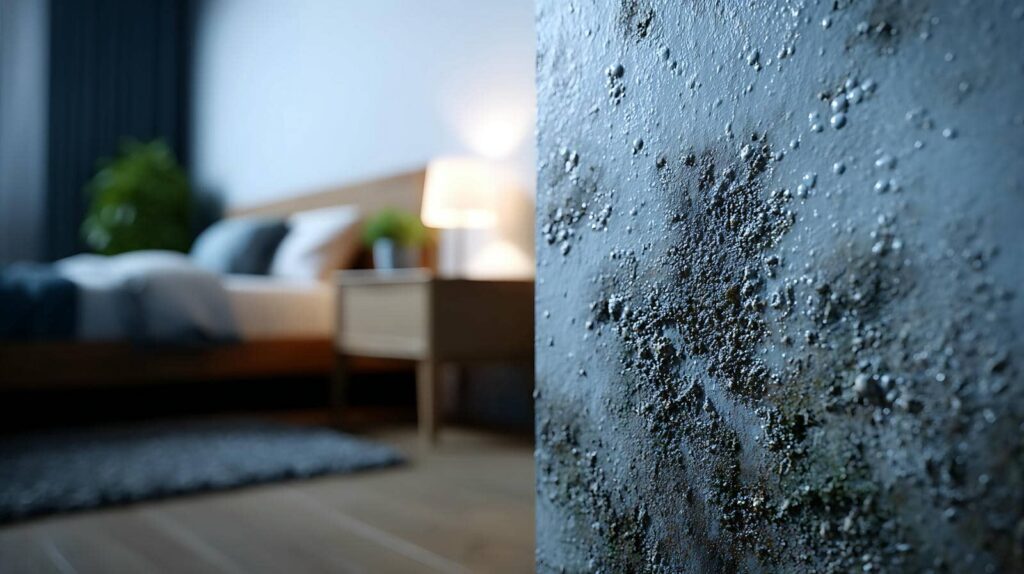
You might not realize how quickly mold can take hold after a flood. Within just 24 to 48 hours, damp conditions can lead to serious health risks, especially for those with respiratory issues. Taking immediate action to dry out your space and remove contaminated materials is essential. But it’s not just about speed; understanding effective strategies for preventing mold and knowing when to call in professionals can make all the difference. What steps should you prioritize to protect your home?
Key Takeaways
- Mold can develop within 24 to 48 hours after flooding, making immediate action crucial to prevent health risks.
- Exposure to mold can cause respiratory issues and exacerbate allergies, particularly in vulnerable individuals.
- Effective drying techniques and prompt removal of standing water are essential to control moisture and inhibit mold growth.
- Professional mold remediation ensures thorough removal and treatment, minimizing health hazards and long-term property damage.
- Long-term prevention strategies, such as improving ventilation and sealing leaks, help maintain a mold-free environment after flooding.
Understanding the Risks of Mold Growth
When you experience flooding, it’s vital to understand that mold can begin to grow within just 24 to 48 hours if the conditions are right. Mold spores are everywhere in our environment, and they thrive in damp, warm areas.
After flooding, your home can quickly become a breeding ground, posing significant health implications for you and your loved ones.
Exposure to mold can lead to respiratory issues, allergies, and even more severe complications, especially for those with pre-existing conditions. You may not notice the mold’s presence immediately, but it can silently affect your well-being.
Taking proactive steps to mitigate moisture is important. Make sure you’re aware of potential risks and the significance of acting swiftly.
Immediate Actions to Take After Flooding
As soon as the floodwaters recede, taking immediate action is essential to prevent mold growth and further damage to your home.
Start by prioritizing safety, ensuring you’re wearing protective gear, and following necessary safety precautions.
Here’s a quick checklist of actions to take:
Inspect for hazards: Look for downed power lines, gas leaks, or structural damage.
Turn off utilities: Shut off electricity and gas to avoid accidents.
Remove standing water: Use pumps or buckets to eliminate excess water.
Gather emergency supplies: Collect fans, dehumidifiers, and cleaning agents to aid in the recovery.
Dispose of contaminated items: Safely discard any materials that can’t be cleaned, like carpets or insulation.
Effective Drying Techniques to Prevent Mold
To effectively prevent mold growth after flooding, you need to focus on rapid water removal and enhanced air circulation.
Promptly extracting water helps minimize moisture levels, reducing the environment where mold thrives.
Additionally, increasing airflow in the affected areas can expedite the drying process, further lowering the risk of mold development.
Rapid Water Removal
Although floodwaters can infiltrate your home quickly, the speed at which you remove that water is crucial in preventing mold growth.
Effective water extraction is key to moisture control, so take action promptly. Here are some techniques to ensure rapid water removal:
- Use a wet/dry vacuum to extract standing water.
- Deploy submersible pumps for deeper areas.
- Remove soaked carpets and pads for better drying.
- Utilize dehumidifiers to absorb excess moisture.
- Inspect and dry out hidden spaces, like walls and crawl spaces.
Enhanced Air Circulation
While rapid water removal is essential, enhancing air circulation is equally important to prevent mold growth in your home after flooding.
Effective airflow management can greatly reduce moisture levels, making it less conducive for mold to thrive. Start by implementing ventilation strategies, such as opening windows and doors, to create cross-ventilation in affected areas.
Use fans to boost airflow, directing them towards damp spots. Dehumidifiers are also valuable, as they extract excess moisture from the air.
Remember, stagnant air fosters mold development, so maintaining a consistent breeze is critical.
By prioritizing air circulation, you protect your home and create a healthier living environment for you and your loved ones.
Don’t underestimate the power of effective drying techniques!
Importance of Professional Mold Remediation
When dealing with mold after flooding, understanding the health risks is essential for your well-being.
Professional mold remediation ensures effective removal techniques that go beyond simple cleaning, preventing further issues.
Relying on experts safeguards your health and protects your property from long-term damage.
Health Risks Assessment
Since mold can develop within 24 to 48 hours after flooding, reviewing the health risks is essential for anyone affected by water damage.
Mold exposure can lead to various health symptoms, which may affect you and your loved ones. Understanding these risks can help you make informed decisions about remediation.
- Respiratory issues, like asthma or allergies
- Skin irritation and rashes
- Sinus congestion and headaches
- Fatigue or lethargy
- Eye irritation
Prompt professional mold remediation minimizes these risks and ensures a safe environment.
Don’t underestimate the importance of evaluating your health situation after flooding—acting quickly can protect your well-being and that of those around you.
Your health matters, and being proactive is key.
Effective Removal Techniques
Understanding the potential health risks associated with mold exposure underscores the significance of effective removal techniques. You might consider professional mold remediation vital for ensuring safety in your home.
Experts use specialized chemical treatments that target mold spores, preventing their return. Relying solely on surface cleaning isn’t enough; mold can thrive beneath the surface, leading to future problems.
Professionals assess and treat affected areas thoroughly, employing advanced equipment to confirm thoroughness. It’s essential to act quickly, as mold can spread rapidly.
By choosing expert help, you protect your health and foster a sense of community by prioritizing safety for everyone around you.
Long-Term Prevention Strategies
Although flooding can cause immediate damage, implementing long-term prevention strategies is crucial to safeguard your home from mold growth.
By adopting preventive measures and consistent maintenance practices, you can create a healthier living environment for you and your loved ones.
Here are five strategies to contemplate:
Improve ventilation: Ensure proper airflow in your home to reduce humidity levels.
Seal leaks: Regularly inspect and repair any leaks in roofs, walls, or plumbing.
Use mold-resistant materials: When renovating, opt for materials specifically designed to resist mold.
Maintain gutters: Keep gutters clean and functional to prevent water accumulation around your foundation.
Regular inspections: Schedule routine checks to identify and address moisture issues before they escalate.
Recognizing Signs of Mold Infestation
How can you spot the early signs of mold infestation before it becomes a more significant problem? Start by using effective mold identification methods and visual inspection techniques.
Look for areas with excessive moisture, like basements or around windows, as these are prime spots for mold growth. Pay attention to any discoloration on walls or ceilings, often appearing as black, green, or white patches.
Don’t ignore musty odors, which can signal hidden mold. Check behind furniture and appliances, as mold often hides in less visible areas. If you notice water stains or peeling paint, it’s a red flag.
Regularly inspect your property, especially after flooding, to catch mold early. By being vigilant and proactive, you protect your home and those you care about from the health risks associated with mold.
Frequently Asked Questions
Can Mold Grow in Walls After a Flood?
Yes, mold can grow in walls after a flood if moisture remains. During flood recovery, focus on mold prevention by drying out areas quickly and using mold-resistant materials to protect your home and health.
How Long Does It Take for Mold to Grow?
Mold’s like a fast-moving train; it can start growing within 24 to 48 hours under high humidity levels. Understanding this mold growth timeline helps you take immediate action to protect your space and well-being.
Will Bleach Kill Existing Mold After Flooding?
Bleach can kill some mold types, but its effectiveness varies. It’s essential to remember that bleach doesn’t penetrate porous surfaces, so it might not eliminate all mold. Consider alternative solutions for thorough mold removal.
Is Mold Removal Covered by Homeowners Insurance?
Mold removal’s like steering through a maze; homeowners’ insurance often covers it, but you’ll need to check your specific policy for coverage limits. Understanding mold insurance helps you make informed decisions when disaster strikes.
Can I Stay in My Home During Mold Remediation?
You shouldn’t stay in your home during mold remediation due to potential mold exposure. Prioritizing your health, ensure the remediation team follows safety protocols, minimizing risks while effectively tackling the mold problem for your peace of mind.
Wrap-Up
In the aftermath of flooding, your home can feel like a damp, dark cave, harboring hidden dangers. By acting swiftly to remove moisture and contaminated materials, you can safeguard your family’s health and preserve your property. Picture a sunlit, dry space free of mold’s lurking threat; that’s the goal. Prioritizing immediate action and seeking professional help can prevent long-term damage and keep your home a safe haven for years to come.