
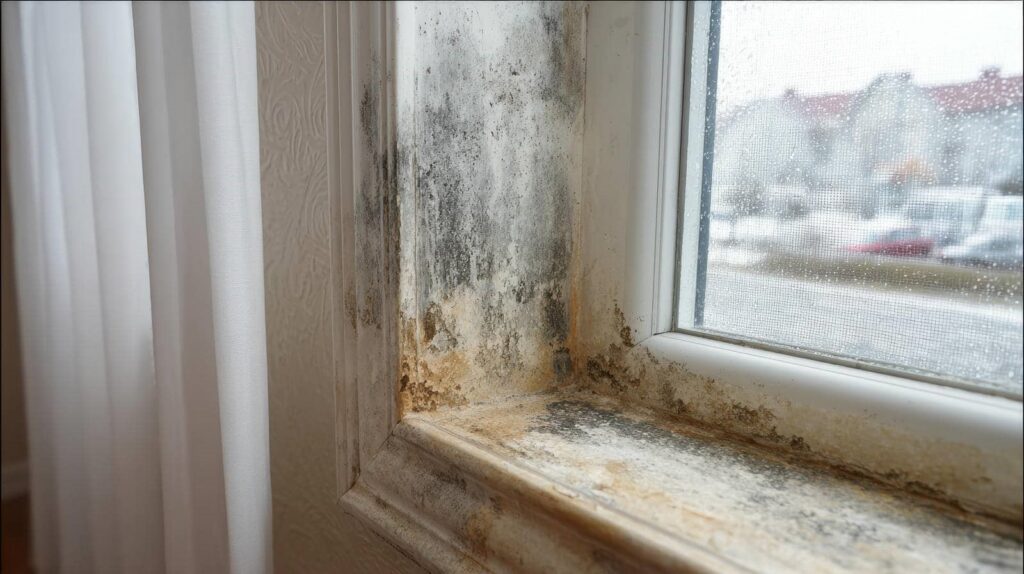
After water damage, you’re at risk for mold growth if you don’t act quickly. It’s crucial to eliminate moisture and create proper airflow. You’ll want to use effective methods to dry out affected areas and apply mold inhibitors for added protection. Ignoring these steps can lead to bigger problems down the line. Let’s explore practical tips that can help you maintain a healthier living environment and keep mold at bay.
Key Takeaways
- Identify and fix leaks immediately to prevent further water accumulation and reduce mold risk.
- Thoroughly dry affected areas using fans and dehumidifiers to eliminate moisture.
- Implement drainage solutions to redirect water away from your home’s foundation.
- Apply mold inhibitors on surfaces to create a protective barrier against mold growth.
- Schedule regular inspections to catch potential mold issues early and maintain a healthy environment.
Quickly Get Rid of Water and Moisture
To prevent mold from taking hold, you need to quickly get rid of any water and moisture that accumulates in your home.
Start by identifying leaks and fixing them immediately. Implement effective drainage solutions around your property to redirect water away from your foundation.
Consider installing moisture barriers in basements and crawl spaces to keep dampness at bay. If you experience flooding, use pumps and wet vacs to remove standing water.
Don’t forget to dry out affected areas thoroughly with fans and dehumidifiers.
By being proactive, you protect your home and create a healthier environment for everyone.
Utilize Proper Ventilation for Effective Drying
While you might think keeping your windows closed during humid weather helps, proper ventilation is essential for effective drying and mold prevention.
To combat moisture, focus on improving air circulation throughout your space. Open windows when possible, and use fans to direct airflow, especially in areas that tend to trap humidity.
If it’s too humid outside, consider using a dehumidifier to maintain humidity control indoors. This will speed up the drying process and create an environment less conducive to mold growth.
Remember, stagnant air can lead to dampness, so keep those air currents flowing.
Prioritizing ventilation can make a significant difference in safeguarding your home from mold after water damage.
Use Mold Inhibitors to Prevent Water Damage and Schedule Inspections
Using mold inhibitors can greatly reduce the risk of water damage and mold growth in your home. These products create a protective barrier against moisture, making it harder for mold to thrive. Additionally, scheduling routine inspections ensures you’re catching any potential issues early.
Here’s a quick reference table to help you choose the right mold inhibitors and inspection tips:
| Mold Inhibitor | Application Method | Inspection Frequency |
|---|---|---|
| Spray Inhibitors | Direct application | Every 6 months |
| Paint Additives | Mixed with paint | Annually |
| Natural Solutions | DIY mixtures | Bi-annually |
Frequently Asked Questions
How Long Does It Take for Mold to Grow After Water Damage?
Mold can start growing within 24 to 48 hours after water damage, depending on factors like humidity and temperature. Act quickly to dry affected areas to minimize the mold growth timeline and protect your space.
Can I Use Bleach to Kill Mold Effectively?
While bleach can help with mold removal, its effectiveness is limited to non-porous surfaces. For a lasting solution, tackle moisture issues and consider specialized products that penetrate deeper, ensuring your space stays safe and welcoming.
What Are the Signs of Hidden Mold Growth?
You’ll notice signs of hidden mold growth through a musty odor, water stains, or peeling paint. Use mold detection techniques to find hidden moisture sources, like leaks, that could be fostering mold in your home.
Is It Safe to Stay in a Home With Mold?
Staying in a home with mold isn’t safe; it can trigger health issues. If you suspect mold, prioritize mold removal. It’s essential for your well-being and creates a healthier environment for you and your loved ones.
How Can I Tell if My Belongings Are Moldy?
To tell if your belongings are moldy, use mold inspection techniques like checking for visual signs and identifying musty odors. If you notice discoloration or a strong smell, it’s best to address the issue immediately.
Final Thoughts
In the battle against mold, think of your home as a sponge. If you don’t squeeze out the water quickly, it’ll stay damp and grow mold. By swiftly drying out affected areas, ensuring good ventilation, and applying mold inhibitors, you’re not just protecting your space; you’re creating a fortress against future damage. Remember, a little proactive care today can save you from a mold nightmare tomorrow, keeping your living environment safe and healthy for you and your family.