
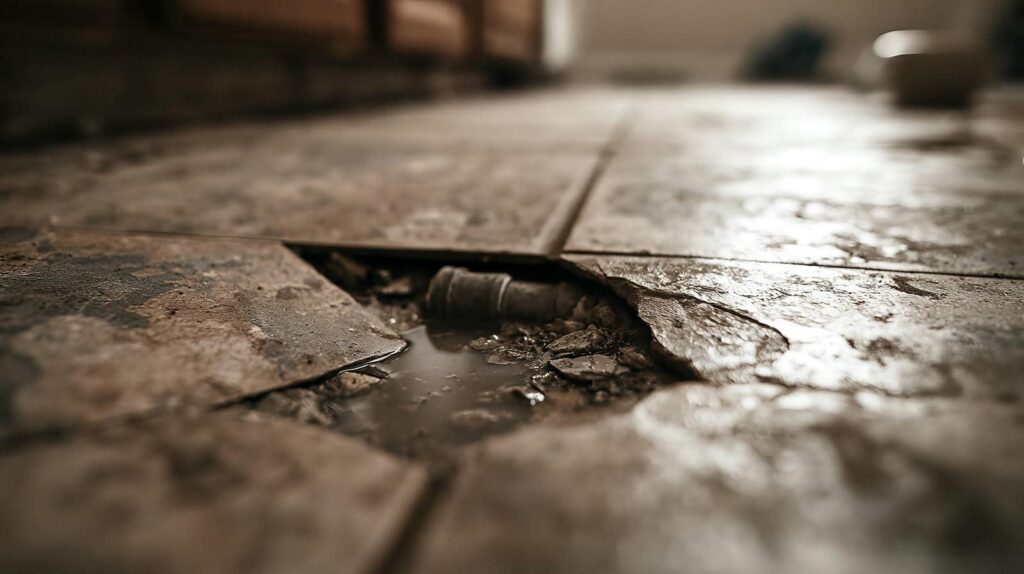
When facing water damage, having the right tools at your disposal is essential for effective restoration. You need powerful water extractors to quickly eliminate standing water and advanced air movers to promote faster drying. Moisture mapping equipment helps uncover hidden dampness that can lead to mold growth. Understanding these essentials can greatly influence your restoration efforts. Let’s explore the specific tools that can make a difference in your success.
Key Takeaways
- Utilize a powerful water extractor to quickly remove standing water and prevent further damage during restoration.
- Employ moisture mapping equipment and infrared cameras to identify hidden moisture pockets in walls and floors.
- Select energy-efficient dehumidifiers with automatic shut-off and humidity sensors for optimal moisture control.
- Use advanced air movers with enhanced airflow technology to speed up the drying process effectively.
- Equip your team with protective gear and cleaning supplies to ensure safety and promote thorough sanitization post-restoration.
What Equipment Do You Need for Water Damage Restoration?
When dealing with water damage restoration, having the right tools is essential for an effective recovery.
You’ll need a powerful water extractor to remove standing water quickly and efficiently, preventing further damage.
Moisture mapping equipment is important, as it helps you identify hidden moisture pockets in walls and floors, guiding your restoration efforts.
Additionally, infrared cameras can aid in detecting damp areas that aren’t visible to the naked eye.
A dehumidifier is also critical to control humidity levels during the drying process.
Top Dehumidifiers for Effective Moisture Control
When choosing a dehumidifier for moisture control, you’ll want to prioritize energy efficiency to keep costs manageable.
Look for features like automatic shut-off, humidity sensors, and adjustable settings to guarantee peak performance.
These considerations not only enhance effectiveness but also provide peace of mind during your restoration efforts.
Energy Efficiency Considerations
While tackling water damage, choosing the right dehumidifier is crucial for effective moisture control and energy efficiency. You’ll want to take into account energy-saving techniques that help reduce operational costs while effectively removing excess moisture.
Look for models that feature adjustable humidity settings and built-in hygrometers, allowing you to optimize performance without overworking the unit. Incorporating sustainability practices, such as selecting ENERGY STAR® certified dehumidifiers, guarantees you’re making environmentally conscious choices.
These units not only consume less power but also operate more quietly, creating a comfortable environment during restoration. By prioritizing energy efficiency, you’re not only safeguarding your home but also contributing to a healthier planet.
Your choice matters, and it’s a step toward a sustainable future.
Key Features To Look For
Choosing the right dehumidifier for effective moisture control involves understanding key features that enhance performance and efficiency.
Look for units with advanced moisture detection capabilities; these will guarantee ideal humidity levels while preventing mold growth. A high extraction rate is essential, as it indicates how quickly the dehumidifier can remove moisture, which is critical during water damage restoration.
Additionally, consider energy-efficient models that align with your restoration techniques, reducing long-term costs. Portability is another feature to prioritize, allowing you to easily reposition the unit as needed.
Finally, user-friendly controls and maintenance alerts can simplify your recovery process, fostering a sense of confidence and belonging as you restore your environment effectively.
Advanced Air Movers for Faster Drying
When dealing with water damage, utilizing advanced air movers can greatly speed up the drying process.
Their enhanced airflow technology not only maximizes efficiency but also reduces energy consumption, making them a smart choice for restoration efforts.
You’ll find these versatile tools essential for tackling various surfaces and settings, ensuring effective moisture removal where it’s needed most.
Enhanced Airflow Technology
Effective water damage restoration hinges on advanced air movers that utilize enhanced airflow technology to expedite the drying process.
You’ll find that these tools focus on airflow optimization, allowing you to direct air precisely where it’s needed most. By improving circulation, they effectively reduce humidity, preventing secondary damage like mold growth.
Each air mover is designed to create a powerful yet controlled airflow, ensuring that even hard-to-reach areas dry swiftly. This isn’t just about speed; it’s about protecting your home and belongings.
When you choose the right equipment, you’re investing in a thorough solution that fosters a sense of safety and community. Together, we can tackle the aftermath of water damage with confidence and efficiency.
Energy Efficiency Benefits
Energy efficiency is an essential factor in modern water damage restoration, particularly with advanced air movers designed for faster drying. These tools not only expedite the drying process but also contribute greatly to energy savings.
By utilizing innovative technology, they minimize power consumption while maximizing airflow, ensuring that your restoration efforts are both effective and environmentally friendly.
Implementing these advanced air movers aligns with sustainable practices, helping you reduce your carbon footprint. When you choose energy-efficient equipment, you’re not just restoring spaces; you’re fostering a culture of responsibility and care for the environment.
Embracing these technologies not only enhances your restoration capabilities but also connects you with a community that values sustainability, making your efforts even more impactful.
Versatile Application Uses
While you tackle water damage restoration, advanced air movers prove invaluable due to their versatile application uses.
These multi-purpose tools deliver targeted airflow, ensuring rapid drying across various surfaces, from carpets to walls. You’ll find their flexible solutions adapt to different environments, helping you efficiently manage moisture levels and prevent mold growth.
With adjustable speed settings, you can customize airflow to meet specific needs, whether you’re addressing a small leak or extensive flooding. Their lightweight design makes them easy to maneuver, allowing you to work smarter, not harder.
Best Thermal Imaging Cameras for Water Damage Assessment
How can you accurately assess hidden water damage in your property? Using thermal imaging cameras is one of the best methods for pinpointing moisture issues before they become major problems. These devices leverage advanced moisture detection technology, allowing you to visualize temperature variations that indicate water presence. Here’s a comparison of some top thermal imaging cameras:
| Camera Model | Key Features |
|---|---|
| FLIR ONE Pro | High resolution, smartphone compatibility |
| Seek Thermal Compact | Lightweight, affordable option |
| FLIR E8 | Wi-Fi connectivity, precise imaging |
| Seek Shot | Compact design, easy to use |
| Bosch GTC400C | Integrated laser, user-friendly |
Investing in a quality thermal imaging camera provides critical thermal imaging benefits, helping you safeguard your home effectively.
Top Water Quality Testing Kits for Safe Drinking Water
Ensuring your drinking water is safe is essential, especially considering the potential contaminants that can compromise your health.
To address contamination concerns, you can choose from various water testing kits. DIY kits offer a convenient way to assess water quality, allowing for quick sample collection and immediate results.
However, for greater testing accuracy, consider using professional services that provide lab analysis, ensuring compliance with regulatory standards. These thorough assessments can identify harmful substances and inform you about effective filtration solutions.
Understanding the health implications of contaminated water can empower you to make informed decisions about your drinking supply.
The Best Software for Quick Water Damage Restoration
When you’re facing water damage, having the right software can streamline your restoration process.
You’ll want to focus on essential features like project management, reporting capabilities, and real-time tracking to guarantee efficiency.
Let’s explore some of the top recommended software options that can support your efforts and help you recover quickly.
Essential Features to Consider
Selecting the right software for quick water damage restoration can greatly impact your efficiency and effectiveness in the field.
To guarantee you choose a tool that meets your needs, consider these essential features:
Moisture Detection Capabilities: Accurate readings are vital for identifying problem areas.
User-Friendly Interface: A simple design helps you focus on restoration techniques rather than maneuvering through complex software.
Integration with Other Tools: Compatibility with moisture meters and drying equipment streamlines your workflow.
Top Recommended Software Options
Choosing the right software for water damage restoration can greatly enhance your response time and overall effectiveness. Look for solutions that offer seamless software integration, allowing you to connect various tools and streamline workflows.
A user-friendly interface is essential, helping you navigate tasks efficiently without overwhelming your team. Popular options like JobNimbus and Xactimate provide robust features tailored to restoration needs, from project management to billing. They foster collaboration, ensuring everyone stays informed and connected.
Additionally, consider software with mobile capabilities, enabling you to update information on-site. Investing in the right software not only improves your operational efficiency but also strengthens your team’s cohesion and ability to deliver exceptional service during critical times.
Must-Have Protective Gear for Water Damage Restoration
Protective gear is essential for anyone involved in water damage restoration, as it safeguards you from potential hazards lurking in contaminated environments. Investing in the right equipment not only protects your health but also enhances your efficiency on the job.
Protective gloves: Guarantee chemical resistance and prevent cuts.
Safety goggles: Shield your eyes from debris and contaminants.
Waterproof boots: Keep your feet dry and safe from slips.
Additionally, consider respirator masks to filter harmful particles, protective suits to cover your body, hard hats for head protection, and knee pads for comfort during prolonged tasks.
Don’t forget ear protection for noisy environments and face shields for added safety. Prioritizing your gear shows you care about your well-being and that of your team.
Essential Tools for Structural Assessment and Repair
Once you’ve equipped yourself with the necessary protective gear, it’s time to focus on the tools that will help you assess and repair structural damage effectively.
First, invest in a moisture detection meter; it’s essential for identifying hidden water pockets that can compromise structural integrity. A thermal imaging camera can also reveal moisture issues behind walls, guaranteeing you address all affected areas.
For physical assessments, a pry bar and a hammer are indispensable for checking framing and supports. Additionally, a laser level helps confirm that any repairs maintain proper alignment.
Post-Restoration Cleaning Supplies You Need
Effective post-restoration cleaning requires at least five essential supplies to guarantee the space is safe and welcoming again. These tools are vital for implementing effective post-restoration sanitization techniques, ensuring your environment is both clean and comfortable.
High-Efficiency Particulate Air (HEPA) Vacuum: Captures fine particles and allergens.
Disinfectant Solutions: Kills bacteria and prevents mold growth.
Microfiber Cloths: Efficient for dusting and wiping surfaces without leaving streaks.
Having the right essential cleaning equipment helps you restore your space to its former glory.
Remember, thorough cleaning not only enhances aesthetics but also promotes a sense of belonging and safety for everyone who steps inside.
Invest in these supplies to achieve a successful restoration.
How to Choose the Right Equipment for Your Restoration Needs?
How can you confirm you select the right equipment for your restoration needs? Start by evaluating your restoration budget and prioritizing equipment durability. It’s essential to choose tools that withstand rigorous use while delivering effective results. Consider the following table to guide your decision:
| Equipment Type | Key Feature | Importance |
|---|---|---|
| Dehumidifiers | High capacity | Prevent mold growth |
| Air Movers | Adjustable speed | Optimize drying time |
| Moisture Meters | Accurate readings | Guarantee thorough restoration |
Frequently Asked Questions
How Do I Know When to Call a Professional for Water Damage?
If you notice persistent moisture, musty odors, or visible mold, it’s time to call a professional. They’ll conduct water detection and moisture assessment to guarantee your home stays safe and healthy for everyone.
What Insurance Coverage Do I Need for Water Damage Restoration?
What good’s a home without the right protection? For water damage, guarantee your insurance policies cover restoration costs, including mold treatment and structural repairs. It’s essential for peace of mind and safeguarding your investment.
How Can I Prevent Future Water Damage in My Home?
To prevent future water damage, you should install effective drainage solutions and moisture barriers. Regularly inspect your home for leaks, guarantee proper grading, and maintain gutters to safeguard your space from potential water intrusion.
What Are the Health Risks Associated With Water Damage?
Water damage can lead to mold growth, which poses serious health risks like respiratory issues. It also threatens your home’s structural integrity, making it essential to address water damage promptly to guarantee your safety and comfort.
How Long Does the Water Damage Restoration Process Typically Take?
Typically, water damage restoration takes 3 to 7 days. Effective water extraction techniques and advanced drying equipment options can expedite the process, ensuring your space returns to normal quickly, while minimizing health risks.
Summary
In the world of water damage restoration, having the right tools is like wielding a lightsaber in a galaxy far, far away—it can make all the difference. By equipping yourself with essential dehumidifiers, advanced air movers, and protective gear, you’ll guarantee a thorough and efficient recovery process. Remember, each piece of equipment plays a vital role in restoring not just structures, but peace of mind for those affected. Invest wisely, and your efforts will shine brighter than a Jedi’s lightsaber.