
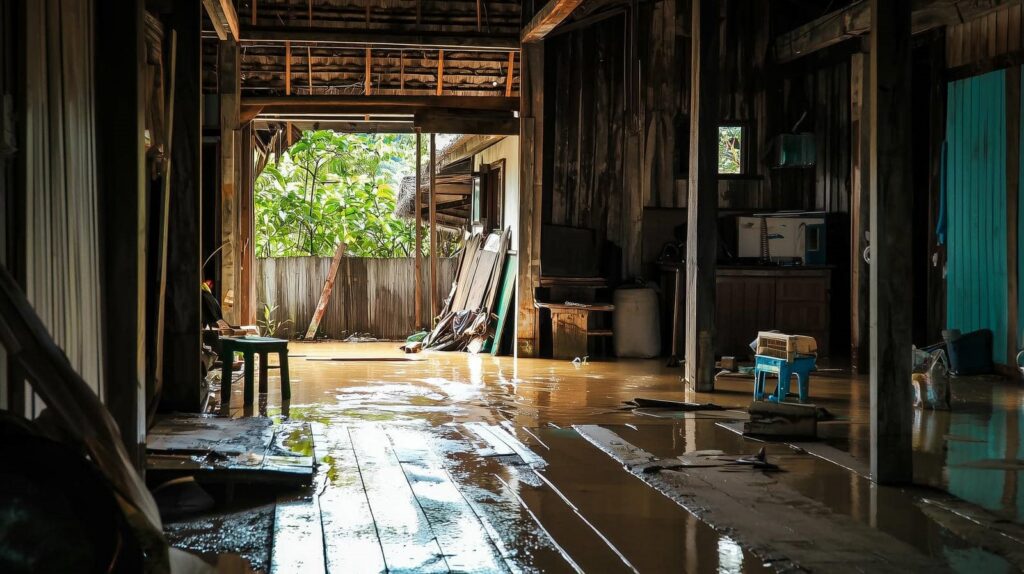
When you’re faced with water damage, having the right tools can make or break your restoration efforts. High-capacity water extractors and industrial dehumidifiers play vital roles in swift recovery. Moisture meters and air scrubbers help you identify hidden issues and maintain air quality. Understanding each tool’s function is key to efficiency. Let’s explore the essential tools that can streamline your restoration projects and guarantee the best results.
Key Takeaways
- Reliable submersible pumps and wet/dry vacuums are essential for efficient water extraction in water damage restoration projects.
- Industrial dehumidifiers are crucial for controlling humidity levels and preventing mold growth after water damage has occurred.
- Air movers enhance drying efficiency, with proper placement techniques significantly improving evaporation rates.
- Moisture detection tools, including moisture meters and infrared cameras, are vital for accurate assessments of hidden water damage.
- Personal protective equipment (PPE) is essential to ensure safety and compliance on job sites during restoration work.
Essential Equipment for Water Damage Restoration Professionals
When tackling water damage restoration, having the right tools is essential for efficiency and effectiveness. You need equipment that enables you to implement various water extraction techniques, ensuring swift removal of standing water. A reliable submersible pump and wet/dry vacuum are vital for this process.
Additionally, moisture assessment methods, like infrared cameras and hygrometers, help you detect hidden moisture levels in materials. These tools allow you to evaluate the extent of damage accurately, guiding your restoration efforts.
Investing in high-quality equipment not only streamlines your workflow but also fosters a sense of community among professionals who share the same commitment to restoring spaces. With the right tools, you’ll tackle each project confidently and effectively.
High-Capacity Water Extractors: Why They Matter
High-capacity water extractors play an essential role in effective water damage restoration, especially in large-scale incidents. These powerful machines offer high capacity benefits, allowing you to remove significant volumes of water quickly, which is vital in preventing further damage.
When you consider extractor comparisons, you’ll find that high-capacity models outperform standard units in efficiency and speed. This means you can tackle more extensive areas within a shorter timeframe, ultimately saving both time and costs.
Additionally, these extractors often come equipped with advanced features, enhancing their ability to handle various water types. Investing in a high-capacity water extractor not only boosts your restoration efforts but also positions you as a reliable professional in the industry, fostering a sense of belonging among your peers.
Industrial Dehumidifiers in Water Damage Restoration
Industrial dehumidifiers play a critical role in water damage restoration by effectively reducing humidity levels and preventing mold growth.
When selecting a unit, consider key functions such as capacity, airflow, and energy efficiency.
Additionally, maintaining your dehumidifier is essential for peak performance and longevity in restoration projects.
Key Functions Explained
Dehumidifiers play an essential role in water damage restoration by effectively reducing moisture levels in affected areas. Their functionality not only aids in restoration but also contributes to water damage prevention.
Here are three key functions:
Moisture Control: They extract excess humidity, lowering the risk of mold growth and structural damage.
Rapid Drying: By facilitating quicker drying, they enhance restoration techniques, reducing overall repair time.
Air Quality Improvement: Dehumidifiers help maintain a healthier indoor environment by filtering out contaminants, ensuring you and your loved ones breathe easier.
Understanding these functions empowers you to make informed decisions during the restoration process, ensuring effective recovery and long-term protection against future water damage.
Selection Criteria Essentials
When selecting the right equipment for water damage restoration, understanding the specific needs of your environment is critical.
Focus on equipment efficiency; choose industrial dehumidifiers that can handle the scale of moisture present.
Employ advanced moisture detection tools to assess damage accurately, ensuring you adhere to restoration protocols.
Analyze drying techniques that complement your dehumidifier’s capabilities, optimizing the drying process.
Keep restoration safety in mind—ensure your selected tools are user-friendly and reliable, minimizing risks during operation.
Regular damage assessments will guide your tool selection, ensuring you’re equipped for varying scenarios.
Maintenance Best Practices
Proper maintenance of your dehumidification equipment is essential to confirm peak performance during water damage restoration.
Implementing preventive measures guarantees efficient moisture control and enhances emergency preparedness.
Here are three best practices to follow:
Routine Inspections: Conduct regular checks on equipment functionality to catch issues early and avoid costly repairs or insurance implications.
Environmental Considerations: Keep dehumidifiers in environments that minimize dust and debris, optimizing performance and prolonging lifespan.
Structural Assessments: Regularly evaluate the areas being treated to confirm moisture levels are adequately managed, allowing for effective repair techniques and preventing future damage.
Air Movers: Speeding Up the Drying Process
Air movers are essential tools in water damage restoration, designed to enhance the drying process effectively.
You’ll encounter various types, each suited for specific applications, and understanding proper placement techniques can greatly improve efficiency.
Rapid drying not only minimizes damage but also reduces the risk of mold and mildew development.
Types Of Air Movers
While the right air mover can greatly enhance the drying process after water damage, understanding the various air mover types available is essential.
Each type offers unique air mover features that can optimize your restoration efforts.
Axial Air Movers: These are lightweight and effective for large areas, utilizing a high volume of airflow for faster drying.
Centrifugal Air Movers: Known for their focused airflow, they’re ideal for targeted drying in confined spaces.
Stackable Air Movers: Designed for easy storage and transport, these allow you to maximize efficiency without sacrificing performance.
Choosing the right air mover type can make a significant difference in your water damage restoration project, ensuring your space dries quickly and effectively.
Proper Placement Techniques
Understanding the types of air movers is just the beginning; effective placement can greatly enhance their drying capabilities.
To achieve ideal drying techniques, position air movers at strategic angles, directing airflow toward wet surfaces. Aim for a triangular setup: place one unit near the water source and two others at opposing corners of the room. This arrangement promotes even airflow, facilitating faster evaporation.
Verify there’s enough space between units to avoid creating dead zones where moisture can linger. Regularly monitor the drying process and adjust placements as necessary.
Benefits Of Rapid Drying
Rapid drying is essential in water damage restoration, as it minimizes the risk of mold growth and structural damage.
Utilizing effective rapid drying techniques, you can achieve significant moisture control benefits. Here are three key advantages:
Reduced Mold Growth: Rapid drying limits the damp conditions that mold thrives in, helping you avoid costly remediation.
Preserved Structural Integrity: Quick removal of moisture helps maintain the strength of building materials, preventing warping and deterioration.
Faster Recovery Time: Efficient drying speeds up the overall restoration process, allowing you to return to normalcy sooner.
How to Use Moisture Meters Effectively?
How can you guarantee accurate readings when using moisture meters? Start with regular moisture meter calibration; this guarantees your device provides reliable data. Always check the manufacturer’s guidelines for specific calibration intervals.
When taking readings, make sure the sensor is in direct contact with the material, and avoid surfaces contaminated with dust or debris, as this can skew results.
After obtaining readings, focus on reading interpretation. Different materials have varying moisture content thresholds, so understanding these limits is essential.
Compare your readings against established benchmarks to determine if intervention is necessary. By mastering these techniques, you can confidently assess moisture levels, guaranteeing effective water damage restoration and fostering a sense of community among fellow restoration professionals.
Infrared Cameras: Spotting Hidden Water Damage
Infrared cameras are essential tools for detecting moisture behind walls and identifying temperature variations that indicate hidden water damage.
By using these devices, you enhance the accuracy of your inspections, allowing for more effective restoration efforts.
This technology not only saves time but also helps prevent further damage by pinpointing problem areas quickly.
Detecting Moisture Behind Walls
When moisture hides behind walls, it often leads to significant structural damage and health risks.
To effectively conduct moisture detection during a wall inspection, consider these essential tools:
Infrared Cameras: Use these to identify temperature differences, which help locate hidden moisture.
Moisture Meters: These devices provide quantitative readings of moisture levels, allowing for precise assessment.
Thermal Imaging Software: Integrating this with your infrared camera can enhance analysis and documentation, making it easier to present findings.
Identifying Temperature Variations
While inspecting for hidden water damage, identifying temperature variations is essential. Using thermal imaging, you can detect anomalies that indicate moisture presence behind walls or under floors.
Temperature impacts are vital in evaluating the extent of damage, as wet materials often retain heat differently than dry ones. By employing infrared cameras, you can visualize these variations, pinpointing areas that require further investigation.
This technology allows you to act quickly, reducing the risk of mold growth and structural deterioration. Understanding how to interpret thermal images empowers you to make informed decisions during restoration.
Ultimately, mastering this tool not only enhances your inspection skills but also fosters a sense of belonging in the water damage restoration community.
Enhancing Inspection Accuracy
Thermal imaging greatly boosts your ability to spot hidden water damage during inspections. By utilizing infrared cameras, you can detect variations in temperature that indicate moisture presence, enhancing your accuracy in identifying affected areas.
Here are three key benefits of thermal imaging for moisture mapping:
Precision Detection: Infrared technology helps you pinpoint exact locations of hidden leaks, reducing guesswork.
Non-Invasive Method: This technique allows you to inspect walls and ceilings without causing additional damage.
Comprehensive Analysis: Thermal imaging provides a visual representation of moisture patterns, aiding in thorough assessments.
Essential PPE for Water Damage Restoration Technicians
As water damage restoration technicians, your safety is paramount, especially when dealing with hazardous conditions. Vital PPE types include gloves, goggles, and waterproof suits, which protect against chemicals and contaminants.
Adhering to safety regulations guarantees you’re equipped for every job, while thorough training protocols enhance your hazard awareness. You’ll want to invest in quality respiratory gear to shield against airborne particles and harmful fumes.
Ergonomic tools won’t only improve your efficiency but also reduce strain during physically demanding tasks.
Finally, maintaining job site hygiene is essential; proper disposal of contaminated materials helps prevent further risks. By prioritizing these elements, you create a safer working environment for yourself and your team.
Best Software Tools for Water Damage Restoration
What software tools can elevate your water damage restoration efforts? Leveraging the right technology can streamline your workflow and enhance project management.
Here are three essential tools to evaluate:
JobNimbus: This tool offers seamless software integration for tracking jobs, managing customer relationships, and scheduling tasks efficiently.
Restoration Manager: Designed specifically for restoration companies, it simplifies project management by organizing documentation, timelines, and costs in one centralized platform.
Xactimate: Widely used in the industry, Xactimate provides accurate estimating and reporting features, ensuring you stay on budget while maintaining quality.
Benefits of Air Scrubbers in Restoration Projects
Effective project management tools like JobNimbus and Xactimate can enhance your restoration efforts, but managing air quality is equally essential in water damage restoration. Air scrubbers play a critical role in improving air quality and promoting a healthier environment. Their effectiveness lies in removing contaminants, allergens, and odors, ensuring the workspace is safe for you and your team.
| Benefit | Description |
|---|---|
| Air Scrubber Effectiveness | Removes airborne particles and pollutants |
| Contaminant Reduction | Lowers risk of mold and mildew proliferation |
| Odor Elimination | Neutralizes unpleasant smells |
| Health Safety | Enhances overall respiratory health |
| Faster Restoration | Speeds up the drying process and project timeline |
Investing in air scrubbers not only enhances efficiency but also fosters a sense of security within your team.
Maintenance Tips for Water Damage Restoration Equipment
Maintaining your water damage restoration equipment is essential for peak performance and longevity. Regular upkeep not only enhances efficiency but also extends the life of your tools.
Here are some key maintenance tips to follow:
Routine Checks: Perform regular inspections to identify any wear and tear. Check hoses, filters, and connections for issues that could hinder performance.
Cleaning: After each use, clean your equipment thoroughly. Remove debris and disinfect surfaces to prevent mold growth and guarantee top function.
Proper Equipment Storage: Store your tools in a dry, climate-controlled environment. This protects them from moisture and potential damage, ensuring they’re ready when you need them.
Frequently Asked Questions
How Long Does Water Damage Restoration Typically Take?
Water damage restoration typically takes a few days to weeks, depending on project factors like the extent of damage, materials affected, and drying time. Understanding the restoration timeline helps you manage expectations effectively throughout the process.
What Are the Signs of Hidden Water Damage?
You’ll notice signs of hidden water damage through mold growth, musty odors, and water stains. Structural damage might manifest as warped walls or ceilings, indicating prolonged moisture exposure. Regular inspections can help you catch these issues early.
Can I Restore Water Damage Myself?
Yes, you can tackle DIY restoration if you have the right tools and knowledge. Focus on thorough drying and mold prevention techniques to guarantee effective water damage prevention, but consult professionals for extensive damage.
How Much Does Water Damage Restoration Cost?
Water damage restoration costs typically range from $1,500 to $3,500. Restoration pricing factors include the extent of damage, location, and materials affected. Getting multiple water damage estimates can help you make an informed decision.
Will My Insurance Cover Water Damage Restoration?
“Better safe than sorry,” right? Your insurance might cover water damage restoration, but it depends on your policy. Review your coverage and understand the claims process to guarantee you’re prepared when disaster strikes.
Recap
In water damage restoration, having the right tools is like having a well-tuned orchestra; each piece plays an essential role in achieving harmony. By utilizing high-capacity water extractors, industrial dehumidifiers, and air movers, you can efficiently restore affected areas while ensuring safety with proper PPE. Don’t overlook moisture meters or air scrubbers, as they enhance your effectiveness. Prioritize maintenance of your equipment, and you’ll be well-prepared to tackle any restoration challenge that comes your way.