
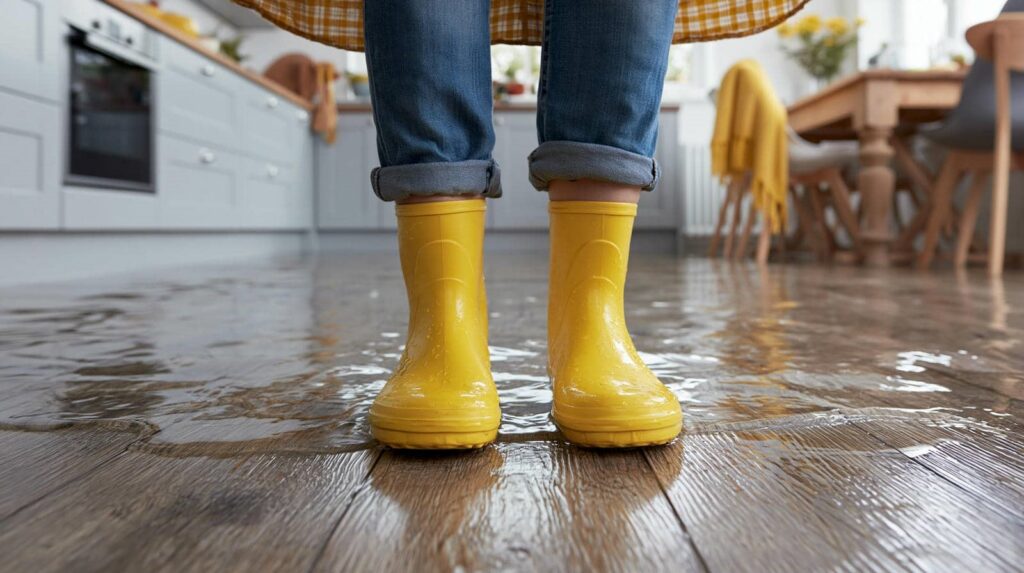
When dealing with water damage, having the right equipment is essential for effective restoration. High-capacity water extractors, commercial-grade dehumidifiers, and air movers play important roles in removing moisture and preventing mold. Additionally, tools like moisture meters and infrared cameras help identify hidden issues that could complicate the restoration process. Understanding how these tools work together can greatly influence your efficiency and outcomes. Let’s explore the specifics of each piece of equipment and their importance in effective restoration.
Key Takeaways
- High-capacity water extractors quickly eliminate standing water, minimizing potential damage to structures and materials.
- Commercial-grade dehumidifiers efficiently control moisture levels, preventing mold growth and preserving building integrity.
- Air movers enhance air circulation, promoting rapid and even drying of wet surfaces.
- Moisture meters provide accurate readings to assess moisture levels in various materials, aiding effective restoration.
- Infrared cameras help identify hidden water damage by detecting temperature variations in affected areas.
How to Effectively Address Water Damage: Essential Tools You Need
When dealing with water damage, having the right tools makes all the difference. To effectively address this issue, start with a high-capacity water extractor. This tool quickly removes standing water, minimizing further damage.
Next, invest in commercial-grade dehumidifiers for ideal moisture control; they help prevent mold growth. After extraction, focus on floor drying. Use air movers to circulate air efficiently, ensuring that all surfaces dry evenly.
Combining these essential tools not only speeds up the restoration process but also protects your property’s integrity. Remember, the right equipment fosters a sense of belonging by allowing you to reclaim your space swiftly and efficiently.
With these tools, you’re not just managing water damage; you’re restoring comfort and safety to your environment.
Why Speed Matters With High-Powered Air Movers
When it comes to water damage restoration, speed is essential for effective drying.
High-powered air movers accelerate the evaporation process, which helps prevent mold growth and reduces structural damage.
Rapid Evaporation Process
Although water damage can lead to severe structural issues and mold growth, employing high-powered air movers accelerates the evaporation process considerably.
These machines utilize advanced evaporation techniques to enhance moisture evaporation, ensuring that surfaces dry quickly and effectively. By increasing airflow, they create a favorable environment for rapid drying, which is vital in preventing long-term damage.
You’ll find that strategic placement of air movers can target specific wet areas, optimizing the drying process. This proactive approach not only minimizes potential repair costs but also fosters a healthier living environment.
In water damage restoration, speed is essential, and using high-powered air movers is your best bet for achieving swift and thorough moisture evaporation.
Preventing Mold Growth
To prevent mold growth effectively, you must act quickly after water damage occurs. High-powered air movers play an essential role in mold prevention by reducing indoor humidity and promoting rapid drying.
Here are three reasons why speed matters:
Mold Growth Timeline: Mold can begin to develop within 24-48 hours after water exposure, so swift action is vital.
Humidity Control: High-powered air movers help lower indoor humidity levels, creating an unfavorable environment for mold.
Material Preservation: Quick drying helps protect your building materials and belongings from long-term damage caused by mold.
Reducing Structural Damage
Swift action not only minimizes mold growth but also greatly reduces structural damage after water exposure. Utilizing high-powered air movers accelerates drying, preserving your property’s structural integrity. Quick water extraction, combined with effective airflow, prevents wood warping, drywall deterioration, and foundation issues.
| Action | Impact on Structural Integrity |
|---|---|
| Immediate Airflow | Speeds up drying process |
| Quick Water Extraction | Reduces moisture levels |
| Proper Equipment Use | Guarantees thorough drying |
| Consistent Monitoring | Detects lingering moisture |
How Dehumidifiers Prevent Mold Growth
Controlling humidity is essential to preventing mold growth in water-damaged areas.
When humidity levels rise above 60%, conditions become ideal for mold spores to thrive.
Understanding the types of dehumidifiers available can help you effectively manage moisture and protect your space.
Importance of Humidity Control
When moisture levels rise in a water-damaged environment, the risk of mold growth escalates rapidly.
To effectively control humidity and prevent this issue, you should implement a few key strategies:
Utilize humidity measurement techniques: Regularly monitor humidity levels using hygrometers to identify when they become problematic.
Deploy dehumidifiers: Invest in high-capacity dehumidifiers that can efficiently remove excess moisture from the air.
Follow dehumidifier maintenance tips: Regularly clean filters and check drainage systems to guarantee peak performance.
Mold Growth Conditions
To effectively prevent mold growth, it’s crucial to understand the conditions that foster its development. Mold thrives in damp, humid environments, typically when indoor humidity exceeds 60%.
By implementing effective mold prevention strategies, you can greatly lower the risk. One of the key tactics in indoor humidity management is using dehumidifiers. These devices extract excess moisture from the air, creating an environment that’s less conducive to mold spores.
Additionally, maintaining proper ventilation and addressing leaks quickly can further enhance your mold prevention efforts. Regularly monitoring humidity levels guarantees you stay ahead of potential mold issues.
Dehumidifier Types Explained
Understanding the various types of dehumidifiers can greatly enhance your mold prevention strategies. Here’s a quick breakdown of the main types to evaluate:
Refrigerant Dehumidifiers: Ideal for warmer environments, they cool air to condense moisture and are often energy-efficient models.
Desiccant Dehumidifiers: Best for colder spaces, they use moisture-absorbing materials, making them effective in low temperatures.
Portable and Commercial Dehumidifiers: These are designed for flexibility and larger applications, respectively, providing high capacity ratings for significant moisture removal.
When choosing, evaluate features comparison and application scenarios.
Regular maintenance tips guarantee peak performance, so you can effectively combat mold growth and maintain a healthier environment.
Using Moisture Meters for Complete Drying
Moisture meters are essential tools in the water damage restoration process, providing precise measurements of moisture levels in various materials. By utilizing these devices, you can effectively monitor the drying process and guarantee complete drying. Accurate moisture measurement helps you select the appropriate drying techniques, preventing mold growth and structural damage.
| Moisture Meter Type | Usage |
|---|---|
| Pin Meters | Direct moisture reading |
| Pinless Meters | Non-invasive measurement |
| Hygrometers | Humidity level assessment |
Incorporating moisture meters into your restoration toolkit enables you to achieve better results. By knowing the exact moisture content, you can streamline your drying techniques and promote a healthier environment for everyone involved.
How Infrared Cameras Detect Hidden Water Damage
While traditional inspection methods often miss hidden water damage, infrared cameras provide a powerful solution by detecting temperature variations that reveal moisture presence.
Using thermal imaging, you can quickly identify problem areas without invasive procedures. Here’s how they enhance moisture detection:
Temperature Differences: Infrared cameras highlight cooler areas, indicating potential water accumulation.
Non-Invasive Approach: You can scan walls and ceilings without causing damage, preserving the integrity of the structure.
Rapid Assessment: These devices allow for quick evaluations, enabling you to address issues before they escalate.
Essential Protective Gear for Restoration Professionals
When tackling water damage restoration, wearing the right protective gear is essential for your safety and effectiveness. This equipment shields you from hazardous conditions, ensuring you can perform your job safely. Below is a breakdown of vital protective gear:
| Protective Gear | Purpose |
|---|---|
| Protective Clothing | Shields against contaminants |
| Safety Goggles | Protects eyes from debris |
| Chemical Gloves | Safeguards hands from chemicals |
| Respirator Masks | Filters harmful airborne particles |
| Hard Hats | Protects head from falling objects |
| Slip Resistant Boots | Prevents slips on wet surfaces |
Ensure you utilize this gear for maximum protection during restoration tasks, fostering a safe work environment and enhancing your team’s efficiency.
How Flood Barriers Prevent Water Ingress
Water damage restoration begins with proactive measures, and flood barriers are a critical component in preventing water ingress. By understanding various flood barrier types and effective installation techniques, you can greatly reduce the risk of water damage.
Temporary Barriers: Easily deployable and ideal for short-term protection during floods.
Permanent Barriers: Built into the structure, these offer long-lasting defense against rising waters.
Inflatable Barriers: Quick to set up and effective for varied terrains, they adapt to different flood scenarios.
Using the right flood barrier type and mastering installation techniques guarantees your property remains safeguarded.
How to Choose the Right Cleaning Chemicals for Water Damage
How can you guarantee your cleaning chemicals effectively tackle water damage? Start by evaluating the chemical effectiveness of each product.
Look for cleaners specifically designed for water damage, ensuring they break down contaminants and mold effectively. Always review safety considerations; choose non-toxic, eco-friendly options when possible to protect your health and the environment.
Check for certifications and user reviews to confirm reliability. Additionally, consider the type of materials you’re cleaning—some chemicals work better on certain surfaces.
Don’t forget to wear appropriate personal protective equipment (PPE) while using these products. By prioritizing both effectiveness and safety, you’ll create a more secure and efficient restoration process for your space.
Trust your instincts and make informed choices for the best results.
What to Consider When Renting Restoration Equipment
Before diving into the rental process, it’s essential to assess your specific needs for restoration equipment. This guarantees you select the right tools for effective water damage recovery.
Here are three key considerations:
Equipment Availability: Check local rental shops or online platforms for the necessary equipment. Confirm they’ve what you need on hand when you need it.
Rental Costs: Compare prices across different vendors. Don’t just focus on the lowest price; consider the quality and maintenance of the equipment as well.
User Training: Some machinery may require training for safe operation. Ask if the rental company offers guidance or support.
Frequently Asked Questions
How Much Does Water Damage Restoration Equipment Typically Cost?
Water damage restoration equipment typically costs between $1,000 and $10,000. Check your insurance coverage for potential reimbursements, and remember that regular equipment maintenance can save you money in the long run, ensuring peak performance.
Can I Rent Restoration Equipment Instead of Buying It?
Yes, you can rent restoration equipment. Restoration equipment rental offers cost-effective solutions, allowing you to access high-quality tools without the upfront investment. This approach helps you manage expenses while effectively tackling water damage projects.
What Safety Precautions Should I Take During Restoration?
About 30% of water damage incidents involve hazardous materials. Always wear personal protective gear, like gloves and masks, and guarantee equipment maintenance is up to standard to safeguard yourself during restoration tasks effectively.
How Long Does Water Damage Restoration Usually Take?
Water damage restoration usually takes several days to weeks, depending on water damage timelines and factors like the extent of damage, materials involved, and equipment used. Proper assessment speeds up the process considerably.
Are There Eco-Friendly Options for Water Damage Restoration?
Yes, there are eco-friendly options for water damage restoration. You can use eco-friendly products and implement sustainable practices, ensuring effective recovery while minimizing environmental impact. This approach fosters community support and belonging in restoration efforts.
Review
In water damage restoration, having the right equipment is your lifeline. From high-capacity extractors to precise moisture meters, each tool plays an essential role in ensuring a thorough and swift recovery. Remember, time is of the essence; every hour counts when preventing mold growth. Equip yourself wisely, and you’ll not only restore spaces but also peace of mind. After all, in the face of water damage, the right tools turn chaos into clarity.