
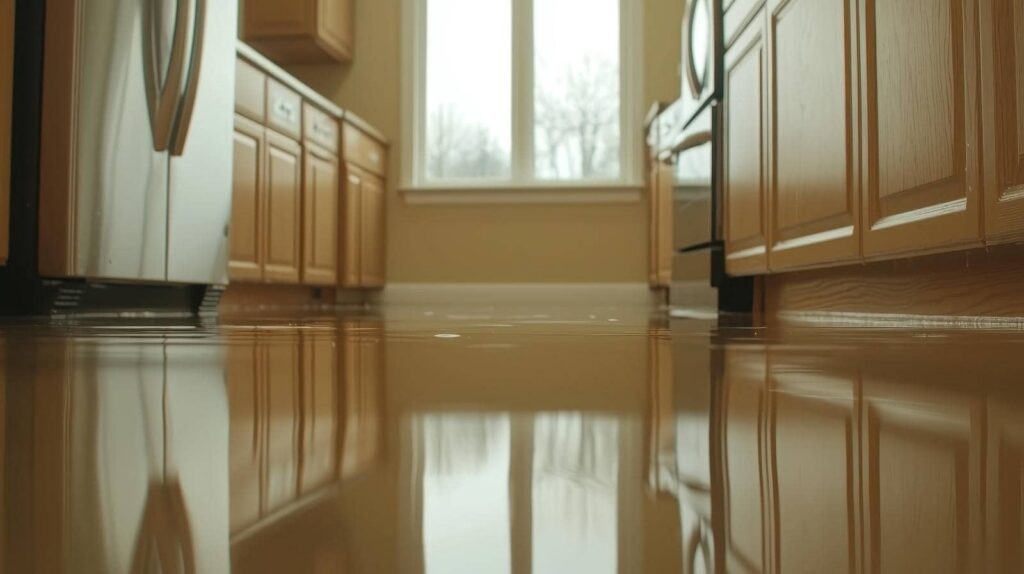
Emergency Water Damage Restoration is critical when water enters your property, because delaying cleanup allows damage to spread rapidly. Moisture quickly penetrates drywall, flooring, insulation, and framing, leading to structural issues, mold growth, and expensive repairs. Immediate water extraction, professional drying, and advanced moisture detection help stop hidden damage before it becomes a larger problem. Taking action within the first 24 hours can protect your property, maintain healthy indoor air quality, and keep restoration costs under control.
Key Takeaways
- Emergency restoration limits water absorption, reducing damage to drywall, flooring, insulation, and other building materials.
- Fast response helps prevent hidden moisture, which can cause microbial growth, odors, and poor indoor air quality.
- Immediate water extraction reduces safety hazards like slippery surfaces, electrical risks, and weakening structural materials.
- Acting within the first 24 hours lowers repair costs by minimizing secondary damage and avoiding unnecessary material replacement.
- Restoration experts use professional tools to find hidden moisture, stabilize affected areas, and speed up recovery.
Why Fast Water Damage Restoration Matters
When water invades your home or business, every minute counts because moisture spreads fast into drywall, flooring, insulation, and structural framing. You need immediate emergency response to limit absorption, microbial growth, warping, and electrical hazards before hidden damage expands beyond visible areas.
Fast restoration protects more than materials; it protects your sense of stability. When trained crews extract water quickly, map moisture precisely, and start structural drying, you reduce secondary damage and shorten disruption.
That speed also changes cost implications. Delays can turn salvageable flooring, walls, and contents into full replacement losses, increasing labor, demolition, and reconstruction expenses. By acting early, you keep your property safer, preserve more of what matters, and stay connected to a team that understands your urgency and works to restore normal conditions with confidence.
What to Do in the First 24 Hours
In the first 24 hours, you need to stop the water source immediately to prevent further saturation and structural damage.
Once you’ve contained the intrusion, you should begin the drying process with rapid water extraction, airflow, and dehumidification.
Acting fast gives you the best chance to limit microbial growth, protect materials, and stabilize the affected area.
Stop Water Source
Because every minute of uncontrolled water increases structural damage and mold risk, your first priority is to stop the source at once by shutting off the nearest valve or the main water supply if needed.
Act fast, but stay methodical. If a fixture failed, close its dedicated shutoff valve. If you can’t identify the water source, use your home’s main shutoff immediately.
Next, cut power to affected areas only if it’s safe and accessible.
Use leak detection basics: trace active drips, listen for running water behind walls, and check appliance supply lines, toilets, sinks, and water heaters.
Don’t use electrical devices near standing water. If the break involves sewage, leave the area and call professionals.
You’re protecting your home the right way, and that’s exactly how prepared homeowners respond together.
Begin Drying Process
Start drying immediately to slow swelling, warping, and mold growth during the first 24 hours. Open windows if weather allows, move air with fans, and remove wet rugs, cushions, and papers.
If electricity is unsafe, wait for clearance before powering equipment. You’re protecting your space and everyone who depends on it.
Next, begin a basic moisture assessment. Check baseboards, drywall, cabinetry, and flooring for trapped water that isn’t visible. Use towels, mops, or a wet vacuum to extract standing water fast.
Then apply targeted dehumidification techniques to pull moisture from the air and materials. Keep interior doors open to improve circulation, and lift furniture legs onto blocks or foil.
If surfaces stay damp, call restoration professionals quickly. You’ll recover faster with the right team behind you.
How Water Extraction Limits Damage
Act fast with water extraction, and you’ll sharply reduce the damage spreading through your property. Removing standing water lowers hydrostatic pressure, slows material breakdown, and protects flooring, drywall, insulation, and framing from rapid deterioration.
When you respond immediately, you give your home the best chance of recovery and keep your restoration plan under control.
Professional water extraction equipment pulls water out far faster than mops or shop vacs, which supports stronger damage mitigation from the start. You stop water from wicking deeper into porous materials, reduce swelling, and limit staining, warping, and adhesive failure.
Quick extraction also improves safety by reducing slip risks and easing strain on electrical systems. You’re not facing this alone; fast, expert action helps protect the space where you belong and feel secure every day.
Why Hidden Moisture Causes Bigger Problems
Even after standing water is gone, hidden moisture can keep spreading damage behind walls, under flooring, and inside insulation where you can’t see it. If you ignore it, materials stay saturated, adhesives weaken, wood swells, and drywall loses structural integrity.
That’s why moisture detection matters: it helps you track water migration and target affected areas before hidden dangers escalate.
- Trapped moisture feeds microbial growth and persistent odors.
- Subfloor saturation can warp finishes and loosen fasteners.
- Damp insulation loses thermal performance and holds contamination.
You want your home safe, stable, and truly dry, not just surface-clean. By addressing moisture you can’t see, you protect indoor air quality, preserve building materials, and reduce long-term repair costs.
Acting quickly keeps your space healthier and helps your household feel secure together again.
When to Call Water Damage Restoration Experts
If you notice standing water, sagging ceilings, warped flooring, or a sudden spike in humidity, you should call water damage restoration experts right away.
Delaying response lets moisture migrate into drywall, insulation, and structural framing, which increases contamination risk and accelerates material failure.
Fast professional mitigation stops the spread, targets hidden moisture, and helps you regain control before the damage gets worse.
Immediate Warning Signs
When water shows up where it shouldn’t, the clock starts immediately. You need fast eyes on the problem, especially when subtle flood indicators point to hidden moisture.
Staining on ceilings, warped baseboards, bubbling paint, and sudden musty air often signal trapped water behind surfaces. If your leak detection device alerts, or your water bill spikes unexpectedly, don’t second-guess it.
Calling restoration experts early connects you with a team that knows exactly what to inspect and stabilize.
- Discoloration spreading across walls or ceilings
- Soft flooring, warped wood, or loose tiles
- Persistent damp odors near cabinets, vents, or drywall
You’re not overreacting by calling. You’re protecting your home with the right response at the right moment, and that’s what smart, prepared homeowners in your community do every day.
Risks Of Delay
Early warning signs matter because water damage accelerates fast once moisture gets past the surface.
If you wait, trapped water seeps into drywall, subfloors, insulation, and framing, where evaporation slows and hidden deterioration begins.
Within hours, materials swell, adhesives fail, and microbial growth can start.
How Water Damage Cleanup Prevents Mold and Rot
Because moisture spreads fast through drywall, wood, and insulation, prompt water damage cleanup is what stops mold colonies from taking hold and keeps structural materials from breaking down.
When you act quickly, you remove standing water, lower humidity, and dry hidden cavities before spores germinate and fibers soften. That’s the core of mold prevention and rot prevention, and it protects the home you count on.
- Extract water and dehumidify to interrupt microbial growth fast.
- Open wet assemblies to dry framing, subfloors, and insulation completely.
- Sanitize affected surfaces to reduce contamination and lingering odors.
You’re not overreacting by calling for emergency restoration. You’re protecting indoor air quality, preserving load-bearing materials, and helping your household stay safe together.
Fast cleanup keeps your space stable, healthy, and truly livable for everyone inside.
Frequently Asked Questions
How Much Does Emergency Water Damage Restoration Usually Cost?
You’ll usually pay $1,300-$6,000 for emergency water damage restoration, though severe losses can exceed $10,000. Your cost factors include water category, affected materials, and drying scope. Get pricing estimates fast—you’re protecting your home and community.
Will Homeowners Insurance Cover Emergency Water Damage Restoration?
Like a lifeline, yes—your homeowners insurance often covers emergency water damage restoration, but you’ll need to check coverage limits and policy exclusions fast. You’re not alone; your insurer can confirm sudden, accidental damage and next steps.
How Long Does the Full Water Damage Restoration Process Take?
You can expect full water damage restoration to take three days to several weeks, depending on severity. Fast water extraction and structural drying keep your home safer, and your restoration team helps you recover with confidence.
Can I Stay in My Home During Water Damage Restoration?
Yes—you can sometimes stay, while fans hum and walls breathe dry, if safety concerns stay low and disruption factors remain manageable. You’ll need clearance from restoration pros; if contamination, structural damage, or power hazards appear, you shouldn’t.
How Do I Choose a Reliable Water Damage Restoration Company?
Choose a reliable water damage restoration company by checking customer reviews, verifying certifications, and demanding clear service guarantees. You’ll protect your home faster when you hire responsive experts who communicate clearly, document damage thoroughly, and stand behind repairs.
Wrap-Up
When water invades, every minute is a crack in the foundation of your safety. If you act within the first 24 hours, you stop moisture from sinking deeper into drywall, flooring, and air. Fast extraction, drying, and inspection cut off hidden damage before it spreads like roots underground. When you call restoration experts, you turn back the tide with precision. You protect your structure, your air, and your peace of mind before small leaks become lasting scars.