
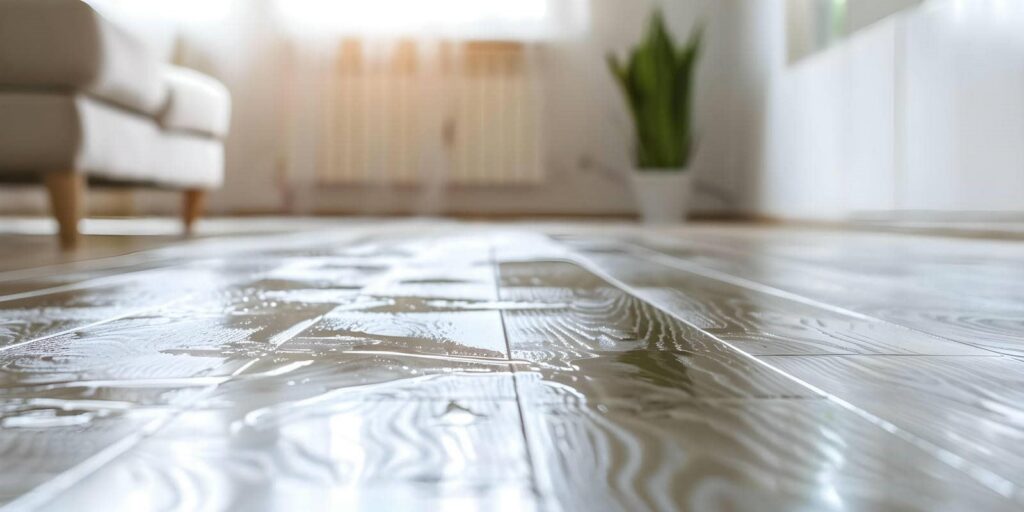
When tackling water damage, understanding the best structural drying techniques is essential. You need to focus on moisture mapping, airflow management, and dehumidification. Each element plays an important role in preventing further issues like mold growth. Choosing the right equipment and monitoring humidity accurately can make a significant difference. But are you aware of the common pitfalls that can derail your efforts? Let’s explore the essentials to ensure effective restoration.
Key Takeaways
- Conduct moisture mapping to identify all affected areas for targeted drying efforts.
- Utilize high-velocity air movers to enhance air circulation and expedite drying.
- Employ dehumidifiers to maintain humidity levels below 60%, preventing mold growth.
- Regularly monitor humidity and moisture levels to assess progress and adjust strategies.
- Apply antimicrobial solutions to reduce the risk of mold and related health issues.
Understanding Structural Drying: What Is It?
Structural drying is a critical process used to remove moisture from buildings and their contents following water damage. To effectively restore your space, you’ll need to understand various drying methods and conduct a detailed moisture assessment.
First, identify affected areas using moisture meters, which help pinpoint hidden dampness. Next, employ techniques like dehumidification, air movement, and heat application to expedite the drying process. Each method targets moisture at different levels, ensuring thorough drying.
Regular monitoring during this phase is essential to confirm effectiveness and adjust strategies as needed. By mastering these techniques, you can ensure a swift recovery, minimize damage, and create a safe environment for everyone involved.
Embracing these methods fosters a sense of community and shared responsibility in restoration efforts.
Why Speed Matters in Water Damage Restoration
In water damage restoration, acting quickly is essential to prevent mold growth and minimize structural damage.
The longer moisture remains, the greater the risk to both your property and health.
Prevent Mold Growth
When water damage occurs, acting quickly is crucial to prevent mold growth, as mold can begin to develop within 24 to 48 hours in damp environments.
To effectively implement mold prevention strategies, start by removing standing water and thoroughly drying affected areas. Use high-capacity dehumidifiers and fans to maintain ideal humidity levels, ideally below 60%.
Regularly monitor humidity with hygrometers to ensure effective humidity control techniques are in place. Additionally, consider applying antimicrobial solutions to vulnerable surfaces, further reducing mold risk.
Taking these proactive steps protects your property and helps create a healthier living environment.
Minimize Structural Damage
Prompt action prevents mold growth and plays an important role in minimizing structural damage during water damage restoration.
When water infiltrates your property, it’s vital to implement effective moisture control measures immediately. Delaying action can lead to extensive damage, weakening structural elements like beams and walls.
Employing advanced drying methods, such as industrial dehumidifiers and air movers, accelerates the drying process, ensuring that moisture doesn’t linger.
Regularly monitor humidity levels to confirm effective moisture control, and adjust your drying techniques as needed.
By acting swiftly and utilizing the right equipment, you can greatly reduce the risk of structural compromise, helping you restore your space efficiently and effectively.
Your proactive approach makes all the difference in safeguarding your property.
How to Implement Effective Structural Drying Techniques
Implementing effective structural drying techniques requires a systematic approach to ensure thorough moisture removal and prevent secondary damage.
Start by conducting moisture mapping to identify affected areas and pinpoint moisture sources. This step ensures you understand the extent of the problem before proceeding.
Next, enhance air movement by strategically placing fans to create cross-ventilation, which accelerates evaporation. It’s essential to maintain consistent airflow to prevent moisture from lingering in hidden spaces.
Monitor humidity levels regularly to assess drying progress and adjust your strategy as needed.
Finally, remain vigilant for signs of mold or mildew, addressing any issues promptly.
Choosing Drying Equipment
Choosing the right drying equipment is essential for effective moisture removal and damage prevention.
Start by evaluating the specific situation and the drying methods you’ll employ. Consider the size of the area and the extent of water damage to guide your equipment selection.
High-velocity air movers can efficiently circulate air, while dehumidifiers will extract moisture from the environment, working in tandem to accelerate drying.
Look for equipment with adjustable settings to adapt to varying conditions. Verify that you have sufficient capacity to handle the volume of water present.
Why You Should Consider Professional Water Damage Restoration
When facing water damage, you need expertise that goes beyond basic drying techniques.
Professional restoration services employ advanced drying equipment and extensive strategies to ensure thorough recovery.
This approach minimizes long-term damage and accelerates the restoration process, protecting your property effectively.
Expertise in Water Damage
As water damage can escalate rapidly, relying on professional restoration services ensures a thorough and efficient recovery process.
Experts in water damage utilize advanced techniques for water extraction, ensuring that all moisture is removed effectively. They employ specialized equipment and methods tailored to your specific situation, preventing further structural deterioration.
Moisture monitoring is another critical aspect of their approach. Professionals assess humidity levels regularly, ensuring that hidden pockets of moisture are addressed before they lead to mold growth or other issues.
Advanced Drying Equipment
You’ll find that advanced dehumidifiers are vital for removing moisture from the air, preventing mold growth and structural damage. These devices operate efficiently, maintaining ideal humidity levels while drying out affected areas.
Additionally, thermal imaging technology allows professionals to identify hidden moisture pockets that traditional methods might miss.
By employing these tools, you ensure a thorough and timely restoration, reducing the risk of long-term issues.
When you choose professional water damage restoration services, you’re not just investing in equipment; you’re gaining access to expertise that assures effective and extensive results for your property.
Comprehensive Restoration Services
Effective drying equipment alone isn’t enough to ensure complete recovery from water damage. You need thorough restoration services that employ effective restoration strategies tailored to your specific situation.
Professionals assess the extent of the damage and implement a structured approach that goes beyond mere drying. They use advanced techniques for humidity control, ensuring that moisture levels are kept in check to prevent mold growth and structural deterioration.
With their expertise, they can identify hidden water pockets and apply targeted drying methods, ensuring every corner of your property is addressed. By trusting professionals, you’re not just restoring your space; you’re safeguarding your investment and creating a safer environment for your family or business.
Don’t settle for less; opt for thorough restoration.
Top 5 Common Mistakes in Structural Drying and How to Avoid Them
When tackling structural drying, it’s crucial to recognize the top five common mistakes that can hinder your efforts and lead to prolonged damage.
First, neglecting thorough mistake identification can cause hidden moisture to persist.
Second, skipping proper equipment setup can extend your drying timeline considerably.
Third, failing to monitor humidity levels means you might miss critical adjustments.
Fourth, not addressing underlying issues like leaks can result in repeated problems.
Finally, rushing the drying process often leads to incomplete results.
To avoid these pitfalls, focus on meticulous planning, consistent monitoring, and effective communication with your team.
When to Call in the Experts for Water Damage Cleanup?
How can you determine the right moment to call in professionals for water damage cleanup? Recognizing when to seek expert help is vital for effective water extraction and moisture assessment.
Here are four key indicators:
Extensive Water Damage: If water covers a large area, you’ll need specialized equipment for proper extraction.
Stagnant Water: Standing water poses health risks; professionals can address it safely and quickly.
Persistent Moisture: If humidity remains high despite your efforts, experts can conduct thorough moisture assessments to prevent mold growth.
Structural Concerns: If you notice warped floors or walls, professionals can evaluate and mitigate further damage.
Don’t hesitate to call in the experts when you spot these signs; your home deserves the best care.
Frequently Asked Questions
How Long Does Structural Drying Typically Take?
Structural drying typically takes 3 to 7 days, depending on drying factors like humidity and temperature. Using advanced drying equipment accelerates the process, ensuring your space returns to normal conditions efficiently and effectively.
What Are the Signs of Inadequate Drying?
You’ll notice signs of inadequate drying through mold growth, persistent damp odors, and visible moisture retention. These indicators suggest the drying process isn’t complete, risking structural integrity and health concerns. Address them promptly to ensure safety.
Can I Dry My Home Without Professional Help?
Absolutely, you can dry your home using DIY methods! Employ drying equipment, conduct moisture assessments, and enhance air circulation. Stay methodical, and you’ll create a comfortable, dry space that feels like home again.
What Types of Materials Are Hardest to Dry?
Textile fabrics, porous materials, and wood composites pose drying challenges. Insulation types and concrete surfaces retain moisture, while drywall can complicate the process further. Understanding these materials helps you tackle drying effectively and efficiently.
How Do Weather Conditions Affect Drying Time?
Weather conditions greatly impact drying time. High humidity levels slow evaporation, while temperature fluctuations can either expedite or hinder the process. Ensuring proper air circulation minimizes moisture retention, enhancing overall efficiency in drying.
Conclusion
Employing a combination of moisture mapping, air movement, and dehumidification is essential for effective structural drying. For instance, consider a case where a basement flooded after heavy rainfall; using high-velocity air movers and dehumidifiers allowed for rapid drying, preventing mold growth. By monitoring humidity levels regularly, you can ensure the process is efficient. Remember, when in doubt, it’s always wise to call in professionals to safeguard your property from long-term damage.