
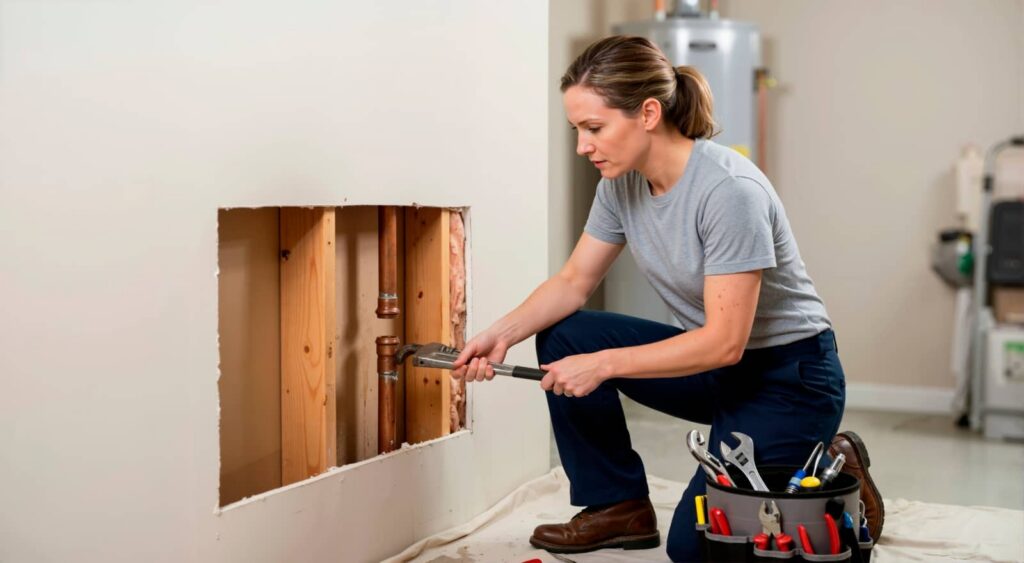
After Water Line Damage occurs, you need to act fast and in the right order. Shut off the main water supply, avoid electrical hazards, and secure anything that could absorb or trap moisture. Then start controlled cleanup and drying while you document every affected area for a potential claim. These first steps can limit structural damage, mold growth, and repair costs, but one wrong move can make the situation worse.
Key Takeaways
- Shut off the main water supply immediately and verify it by opening a cold-water faucet.
- Stay safe by avoiding wet electrical areas and cutting power at the breaker only if it is safe.
- Protect belongings by moving furniture, rugs, electronics, and valuables away from wet areas.
- Start cleanup quickly with water removal, fans, and a dehumidifier to limit further damage and mold.
- Document all damage with photos, videos, and itemized lists for insurance claims and repair records.
Shut Off Water and Stay Safe
If you suspect water line damage, shut off the main water supply immediately to stop additional flooding and reduce pressure on the damaged line.
Locate the main valve, turn it clockwise until it stops, and confirm the water shutoff by opening a nearby cold-water faucet.
Next, protect yourself before inspecting anything further.
Follow basic safety precautions: keep clear of standing water near outlets, appliances, or extension cords, and don’t touch wet electrical equipment.
If water is close to electrical components, cut power at the breaker only if you can reach it safely without stepping into water.
Then, check for warning signs such as hissing, vibration, sudden pressure loss, or discolored water.
Protect Floors, Walls, and Belongings
Once the water is off and the area is safe to enter, start limiting secondary damage by removing rugs, boxes, furniture, and other absorbent items from wet areas.
Focus on floor protection and belongings preservation before materials wick moisture higher or spread contaminants through your home.
- Place foil, wood blocks, or plastic barriers under furniture legs to reduce staining and swelling.
- Move valuables, electronics, documents, and textiles to a secure, dry room with restricted traffic.
- Check baseboards, cabinets, and lower wall sections for swelling, separation, or finish failure, then isolate affected contents.
- Use tarps, bins, or clean sheets to segregate salvageable items from exposed surfaces.
You’re protecting not just property, but the comfort and stability your household depends on.
Act methodically, and keep everyone informed during this stage.
Start Cleanup and Drying Immediately
Because moisture starts damaging materials within minutes, begin water removal and drying as soon as you’ve secured the area and protected nearby belongings.
Use a wet/dry vacuum, pump, or absorbent towels to extract standing water, then remove saturated rugs, cushions, and cardboard from the room.
Open interior doors, run fans to create cross-ventilation, and position a dehumidifier centrally to lower humidity fast.
These drying techniques help protect framing, subfloors, and drywall from swelling, delamination, and microbial growth.
If safe, lift baseboards slightly and increase airflow into wall cavities.
Check hidden damp areas around cabinets, under appliances, and inside closets.
Replace fan filters if they clog with dust or debris.
Staying methodical supports mold prevention and helps your home recover safely, efficiently, and as a cared-for part of your community.
Document Water Line Damage for Insurance
While the area is drying, document every visible effect of the water line failure before you discard damaged materials or begin repairs. Your records strengthen insurance claims and support an accurate damage assessment. Work methodically, and keep yourself part of a well-prepared response team by staying organized.
- Take wide, midrange, and close photos of wet surfaces, warped materials, and standing water.
- Record video showing affected rooms, water paths, and serial numbers on damaged appliances.
- List damaged items, estimated ages, purchase dates, and replacement costs in a dated inventory.
- Save receipts, mitigation invoices, and temporary housing costs in one labeled digital folder.
If it’s safe, note moisture levels, odors, and discoloration.
Back up files immediately, and don’t alter evidence before your insurer reviews it.
When to Call a Water Line Repair Pro
After you’ve documented the damage, decide quickly whether the failure requires a licensed water line repair pro. Call one immediately if you see pooling near the foundation, sudden pressure loss, discolored water, mold growth, or signs leaking behind walls or under slabs.
These conditions can signal pipe rupture, contamination risk, or structural compromise.
Before help arrives, shut off the main valve, cut power to affected electrical zones if safe, and keep everyone clear of wet surfaces.
Don’t excavate, open walls, or attempt temporary clamps on buried or pressurized lines unless you’re trained.
A qualified pro will isolate the break, test system pressure, inspect adjacent components, and explain repair options such as spot repair, partial replacement, or full line rerouting.
Taking these steps helps protect your home and community.
Frequently Asked Questions
How Can I Tell if My Water Line Damage Caused Mold?
You can tell through mold detection signs: musty odors, visible spotting, persistent dampness, and worsening allergies. Check hidden areas with moisture tools, document findings, and schedule professional testing quickly to reduce health risks for everyone.
Will Homeowners Insurance Cover Long-Term Water Line Leaks?
Usually, you won’t get coverage—about 1 in 60 insured homes file water-damage insurance claims yearly. You must document leak detection results, prove the leak was sudden, and follow your policy’s maintenance and mitigation requirements.
How Much Does Water Line Repair Typically Cost?
You’ll typically pay $300–$1,500 for minor water line repairs, while major repairs run $2,000–$5,000 or more. You should assess pipe replacement options, confirm the repair timeline, and prioritize safe isolation, code compliance, and pressure testing.
Can Water Line Damage Affect My Home’s Foundation?
Yes—water line damage can undermine your foundation; expansive soils cause about 60% of U.S. home damage. You should inspect for soil erosion, monitor cracks, and call professionals fast to protect foundation stability and your household.
How Can I Prevent Future Water Line Damage?
Prevent future water line damage by scheduling preventative maintenance, installing leak detection, insulating exposed pipes, monitoring pressure, and inspecting joints regularly. You’ll protect your home, reduce risk, and keep your household aligned with safe plumbing standards.
Review
Act fast, stay safe, and stay organized after water line damage. Shut off the main supply, avoid electrical hazards, and watch for discolored water. Protect floors, walls, and belongings by moving items and blocking furniture legs. Start cleanup, remove standing water, and speed drying with fans and open doors. Document every affected area, photograph every damaged item, and list every loss for insurance. If damage spreads or repairs exceed your skill, call a qualified water line repair pro.